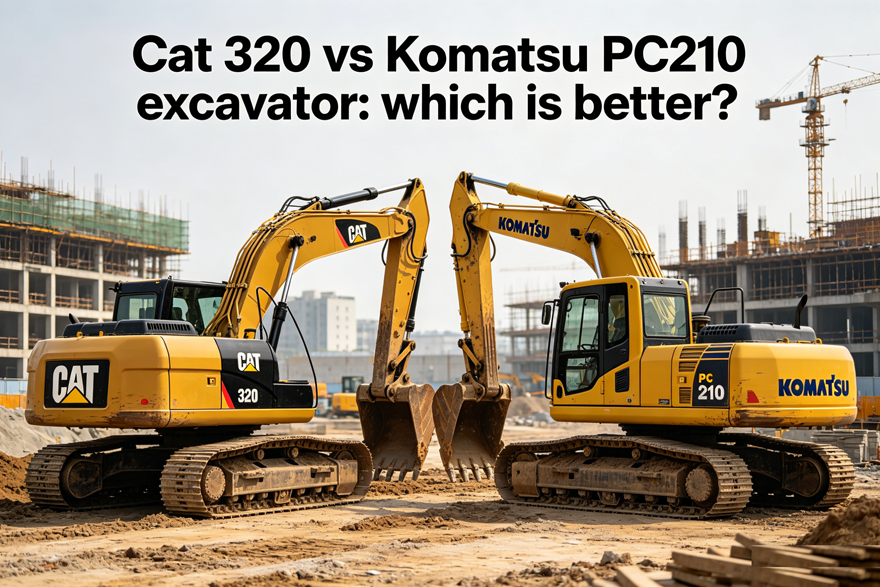
Cat 320 vs Komatsu PC210 Excavator: Which Is Better?
When comparing two of the most popular mid-size excavators in the market, the Cat 320 vs Komatsu PC210 excavator debate often comes up among contractors, fleet managers, and equipment buyers. Both machines are known for their reliability, performance, and global support networks—but which one is truly better? The answer depends on your specific needs, working conditions, and budget.
Performance and Power
The Cat 320 excavator is designed with a strong emphasis on productivity and fuel efficiency. It typically features a powerful engine with advanced hydraulic systems that deliver smooth and precise operation. This makes it ideal for heavy-duty digging, trenching, and lifting tasks.
On the other hand, the Komatsu PC210 excavator is well-known for its balanced performance. It offers slightly lower horsepower in some variants but compensates with excellent fuel economy and refined control systems. Komatsu machines are often praised for their stability and operator-friendly response.
Fuel Efficiency
Fuel consumption is a critical factor in operating costs. The Cat 320 integrates smart technologies such as automatic engine speed control and eco modes to reduce fuel usage without sacrificing performance.
The Komatsu PC210 also performs strongly in this area, thanks to its intelligent engine management system. In many real-world applications, users report that Komatsu machines can be slightly more fuel-efficient, especially in lighter-duty operations.
Technology and Features
Caterpillar has invested heavily in onboard technology. The Cat 320 often includes features like grade control systems, payload monitoring, and touchscreen interfaces, helping operators improve accuracy and efficiency.
Komatsu counters with its own intelligent machine control technology, which is particularly useful for grading and precision work. While both brands offer advanced features, Caterpillar tends to lead in terms of integrated digital ecosystem and telematics.
Comfort and Operator Experience
Operator comfort can directly impact productivity. The Cat 320 provides a spacious cab, ergonomic controls, and reduced vibration levels. Its interface is modern and intuitive, making it easier for operators to adapt quickly.
The Komatsu PC210 also offers a comfortable cab environment with excellent visibility and low noise levels. Many operators appreciate Komatsu’s smooth joystick control and predictable machine behavior.
Maintenance and Reliability
Both excavators are built for durability, but there are some differences in maintenance philosophy. Caterpillar machines are designed with extended service intervals and easy access to key components, which reduces downtime.
Komatsu machines are equally reliable and often praised for their long lifespan. However, parts availability and service costs may vary depending on your region.
Cost and Resale Value
In terms of upfront cost, the Komatsu PC210 is often slightly more affordable than the Cat 320. This makes it an attractive option for buyers with tighter budgets.
However, Caterpillar machines generally hold their resale value better due to strong brand recognition and demand in the used equipment market.
Final Verdict
So, in the Cat 320 vs Komatsu PC210 excavator comparison, which is better?
- Choose Cat 320 if you prioritize advanced technology, higher resale value, and strong overall performance.
- Choose Komatsu PC210 if you want better fuel efficiency, lower initial cost, and smooth operation.
Ultimately, both machines are excellent choices. The “better” excavator depends on your specific project requirements and long-term business goals.
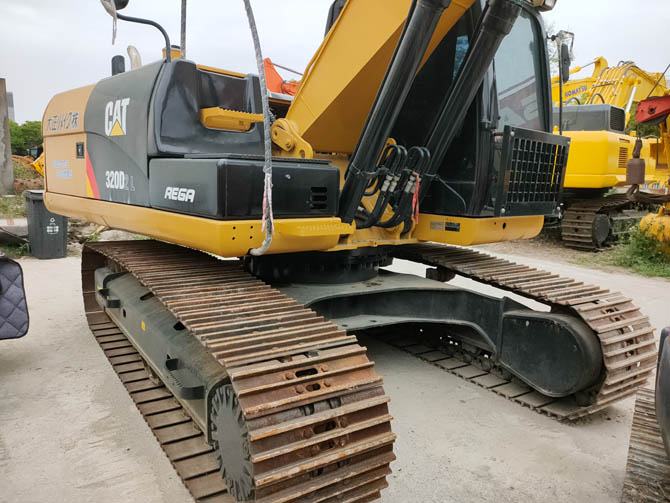
- Make:
- Model Name:
- Place of Origin:
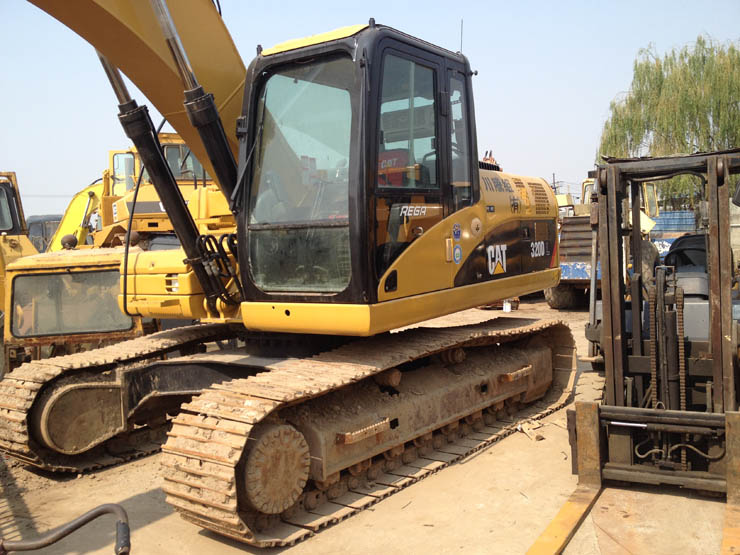
- Caterpillar
- 320DL
- Japan
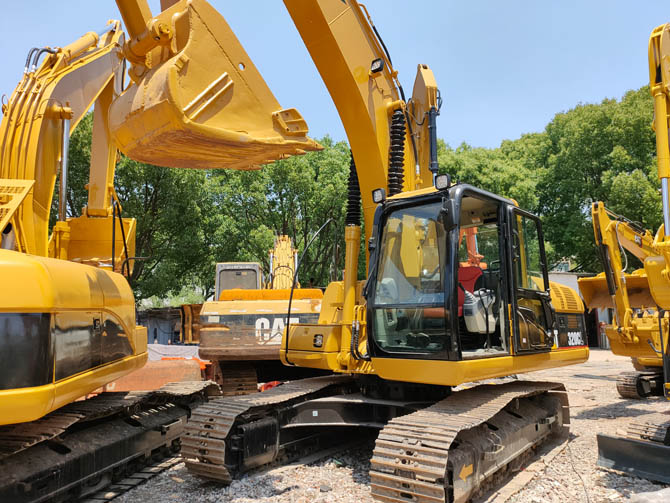
- Make:
- Model Name:
- Place of Origin:
- Caterpillar
- 320D2L
- Japan
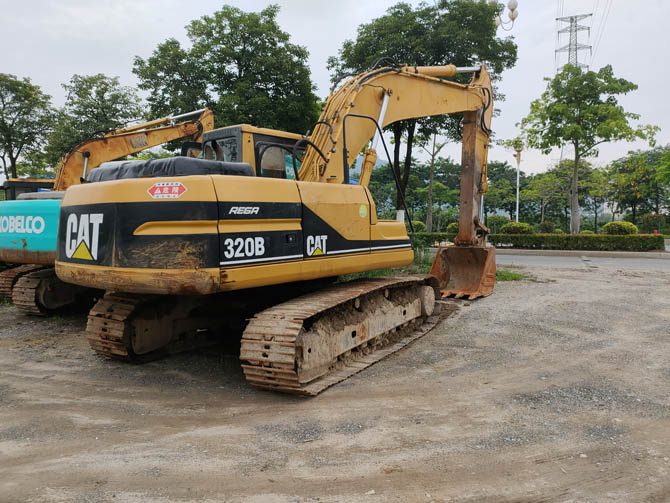
- Make:
- Model Name:
- Place of Origin:
- Caterpillar
- 320CL
- Japan
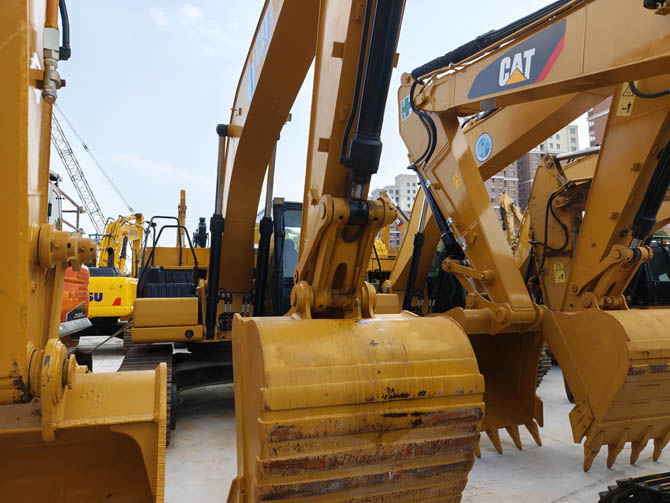
- Make:
- Model Name:
- Place of Origin:
- Caterpillar
- 320B
- Japan
- Make:
- Model Name:
- Place of Origin:
- Caterpillar
- 320GC
- Japan
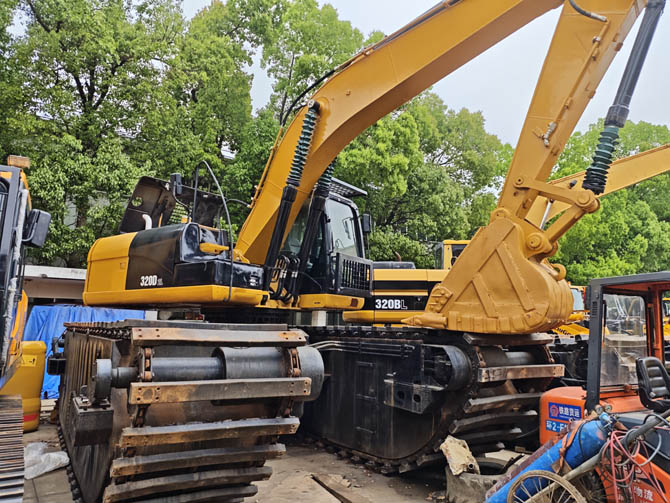
- Make:
- Model Name:
- Place of Origin:
- Caterpillar
- 320D
- Japan
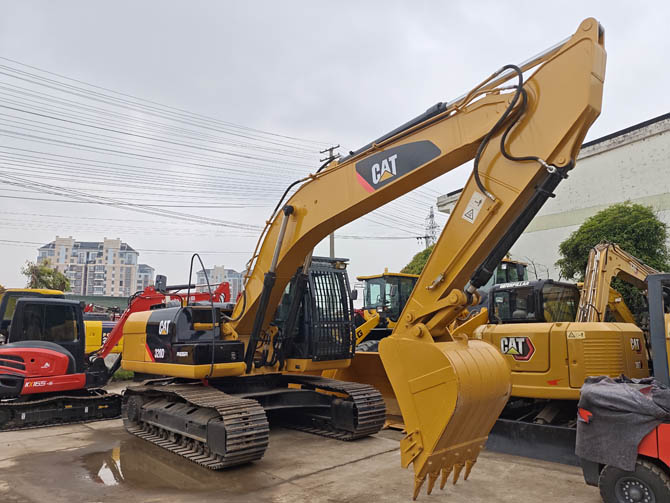
- Make:
- Model Name:
- Place of Origin:
- Caterpillar
- 320D
- Japan
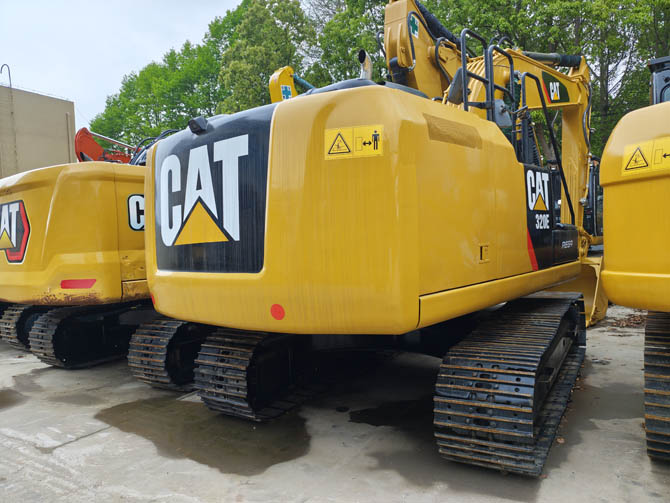
- Make:
- Model Name:
- Place of Origin:
- Caterpillar
- 320E
- Japan
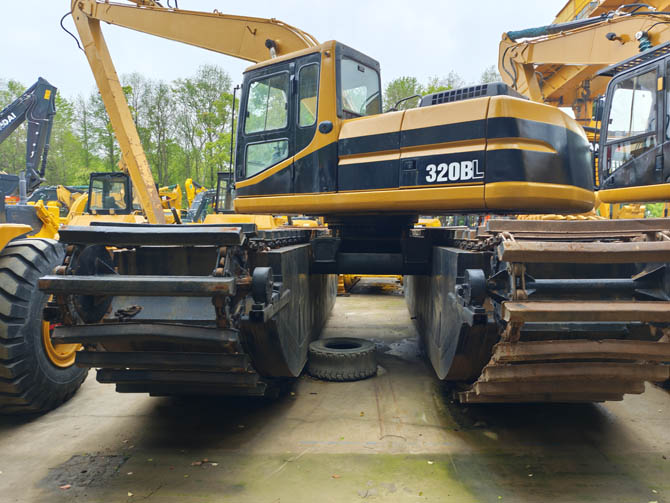
- Make:
- Model Name:
- Place of Origin:
- Caterpillar
- 320BL
- Japan