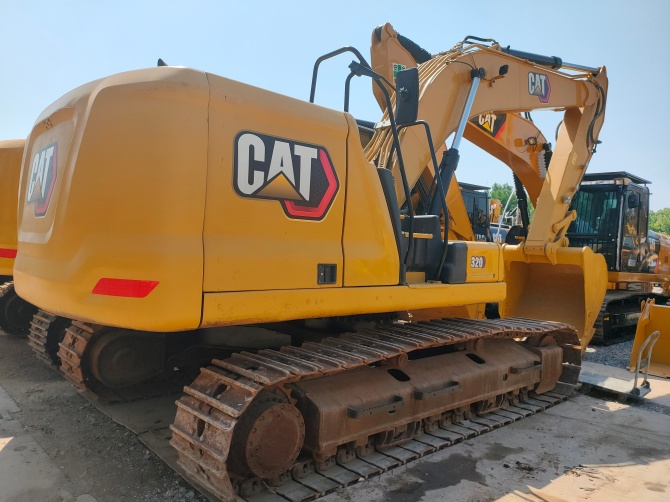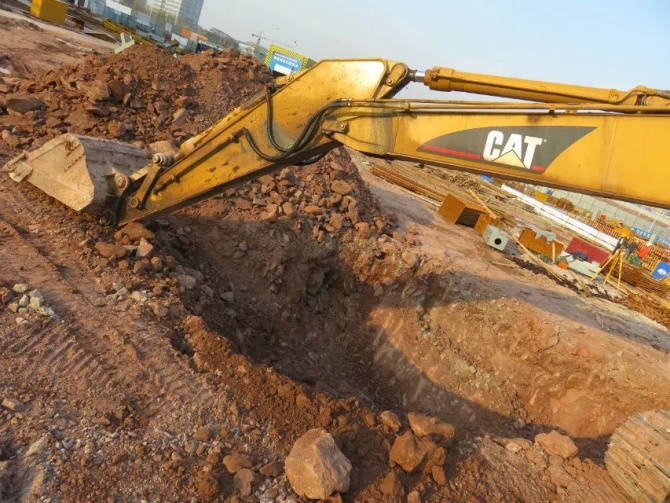
Caterpillar 330B vs 330C: Which One Is Better?
When comparing heavy excavators for demanding construction and earthmoving projects, the debate of Caterpillar 330B vs 330C frequently arises. Both models were manufactured by Caterpillar Inc. and are known worldwide for durability, power, and long service life. However, differences in technology, efficiency, maintenance requirements, and operating conditions can make one model more suitable than the other.
Overview of the Caterpillar 330B
The 330B belongs to an earlier generation of hydraulic excavators produced in the late 1990s and early 2000s. It is widely regarded as a tough, reliable machine built for harsh working environments.
Advantages of the 330B
Extremely robust mechanical design
Simple systems that are easy to repair
Strong digging performance
Lower purchase price
High tolerance for poor fuel quality
Disadvantages of the 330B
Higher fuel consumption
Older hydraulic technology
Lower operator comfort
Limited modern features
The 330B is often chosen for projects where reliability and ease of repair are more important than efficiency or advanced technology.
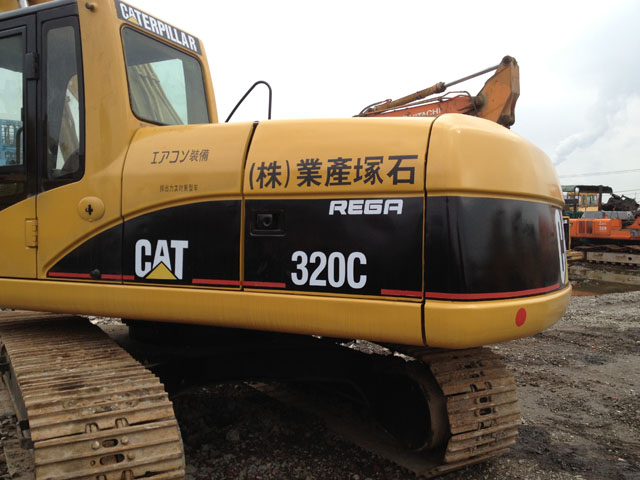
Overview of the Caterpillar 330C
In the Caterpillar 330B vs 330C comparison, the 330C represents a newer generation with significant improvements in hydraulics, electronics, and operator environment.
Advantages of the 330C
Better fuel efficiency
Advanced hydraulic system for smoother operation
Faster cycle times and higher productivity
Improved cab comfort
Modern monitoring and control systems
Disadvantages of the 330C
Higher purchase cost
More complex electronics
Repairs may require specialized diagnostic tools
The 330C is typically preferred by contractors who prioritize performance, efficiency, and operator comfort.
Performance Comparison: Caterpillar 330B vs 330C
Power and Productivity
Both machines offer comparable engine power. However, the 330C’s improved hydraulic control allows for smoother movements and faster work cycles, resulting in higher productivity on large projects.
Fuel Efficiency
Fuel is one of the largest operating costs for excavators. The 330C generally consumes less fuel per hour thanks to improved engine management and hydraulic efficiency.
Reliability and Maintenance
330B: Simple mechanical systems, easy field repairs
330C: More advanced but requires trained technicians
In remote or demanding job sites, the ability to repair a machine quickly can be more valuable than fuel savings.
Operator Comfort
The 330C provides a significantly upgraded cab:
Better visibility
Reduced noise and vibration
Ergonomic controls
Improved air conditioning
For long working hours, these improvements reduce fatigue and increase productivity.
Why Many African Clients Prefer the 330B
In many African markets, the outcome of the Caterpillar 330B vs 330C decision often favors the 330B — not because it is more advanced, but because it is more practical under local conditions.
Easier Repair in Remote Areas
Construction and mining projects frequently take place far from major cities. In such environments:
Skilled technicians may be scarce
Diagnostic equipment may be unavailable
Parts delivery can be slow
The 330B can usually be repaired using basic tools and mechanical skills, minimizing downtime.
Lower Dependence on Electronics
Compared with the 330C, the 330B has fewer sensors and electronic components, making it:
Less vulnerable to electrical problems
More resistant to dust, heat, and humidity
Capable of continuing operation despite minor faults
Simpler Maintenance
Routine maintenance is straightforward:
Simple hydraulic system
Minimal electronic troubleshooting
Less specialized training required
Lower maintenance costs
Parts Availability and Cost
Because the 330B has been used worldwide for decades, spare parts are widely available.
Lower-cost replacement components
Abundant refurbished parts
Strong local repair networks
Reduced downtime waiting for OEM parts
Fuel Quality Tolerance
Fuel quality can vary in some regions. Older engines like the one in the 330B are generally more tolerant of inconsistent fuel compared with newer electronically controlled engines.
Which One Should You Choose?
In the Caterpillar 330B vs 330C comparison, the best choice depends on your operating environment and priorities.
Choose the 330B if you want:
Lower upfront investment
Maximum mechanical simplicity
Easy repairs in remote areas
Strong durability in harsh conditions
Widely available low-cost parts
Choose the 330C if you want:
Higher productivity
Better fuel economy
Modern comfort and controls
Lower long-term operating costs in developed regions
Final Verdict
There is no single winner in the Caterpillar 330B vs 330C debate. The 330B stands out for rugged simplicity, ease of repair, and reliability in challenging environments — which explains its strong popularity in many African countries. The 330C, meanwhile, offers superior efficiency, performance, and operator comfort, making it the better option where technical support and infrastructure are readily available.
Ultimately, the better machine is the one that keeps working with minimal downtime under your specific conditions.
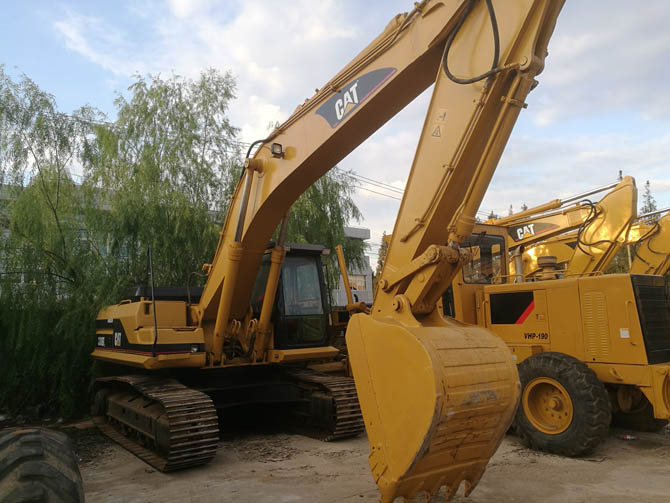
- Make:
- Model Name:
- Place of Origin:
- Caterpillar
- 330BL
- Japan
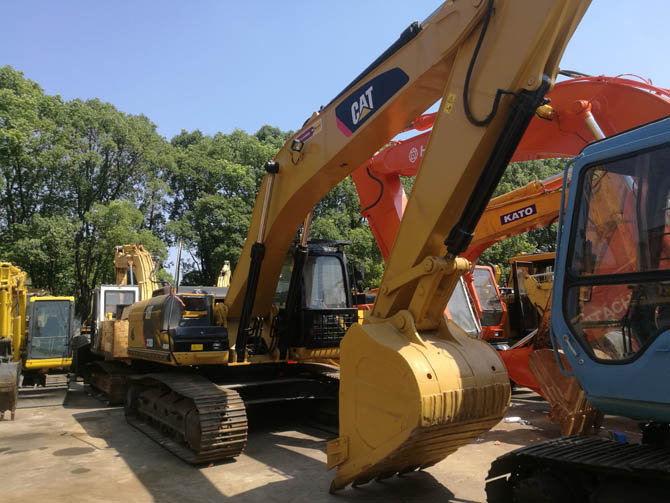
- Make:
- Model Name:
- Place of Origin:
- Caterpillar
- 330D
- Japan
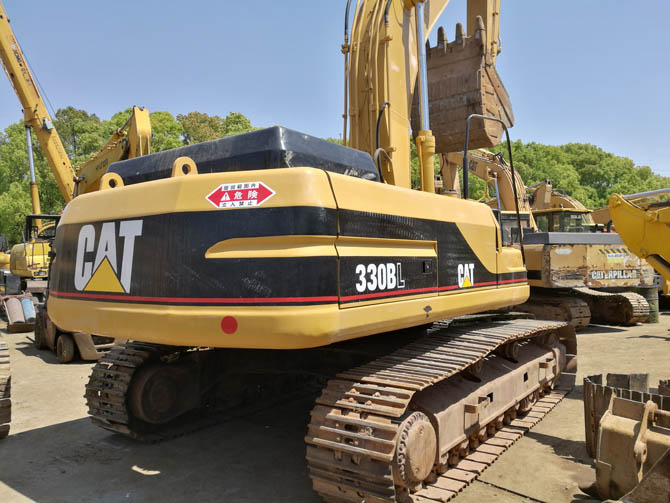
- Make:
- Model Name:
- Place of Origin:
- Caterpillar
- 330BL
- Japan
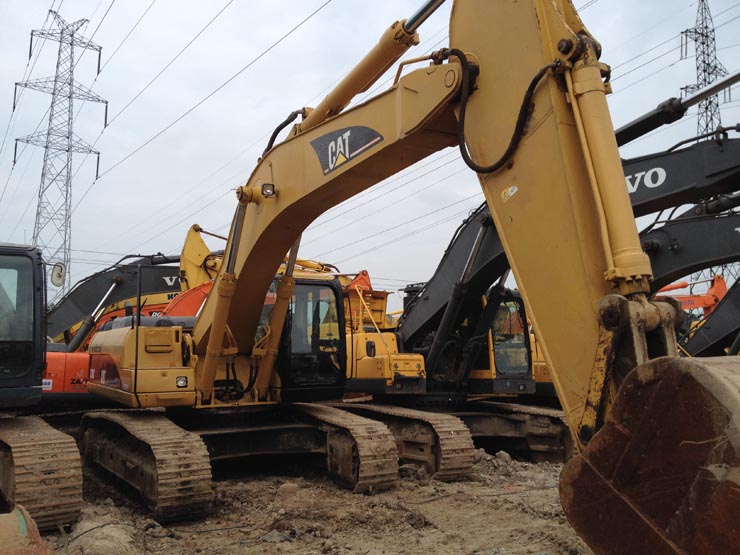
- Make:
- Model Name:
- Place of Origin:
- Caterpillar
- 330C
- Japan
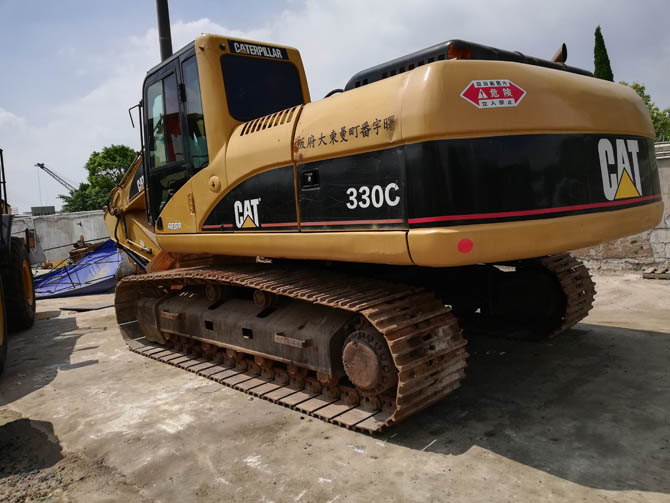
- Make:
- Model Name:
- Place of Origin:
- Caterpillar
- 330C
- Japan
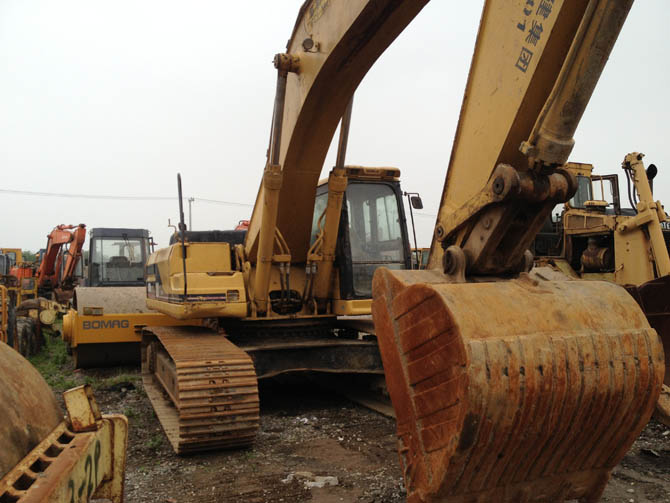
- Make:
- Model Name:
- Place of Origin:
- Caterpillar
- 330BL
- Japan
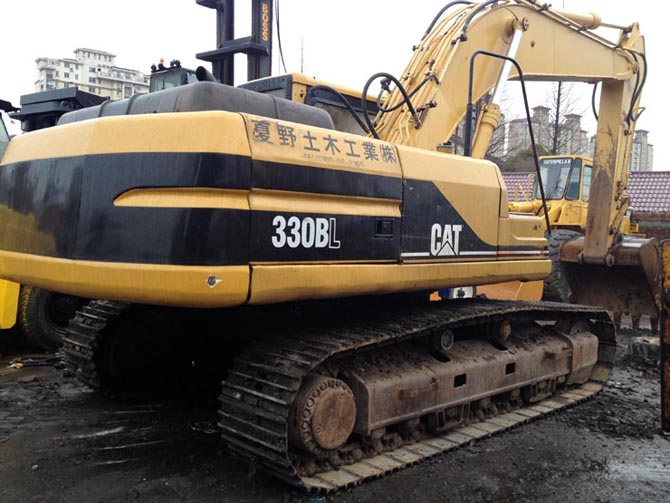
- Make:
- Model Name:
- Place of Origin:
- Caterpillar
- 330BL
- Japan
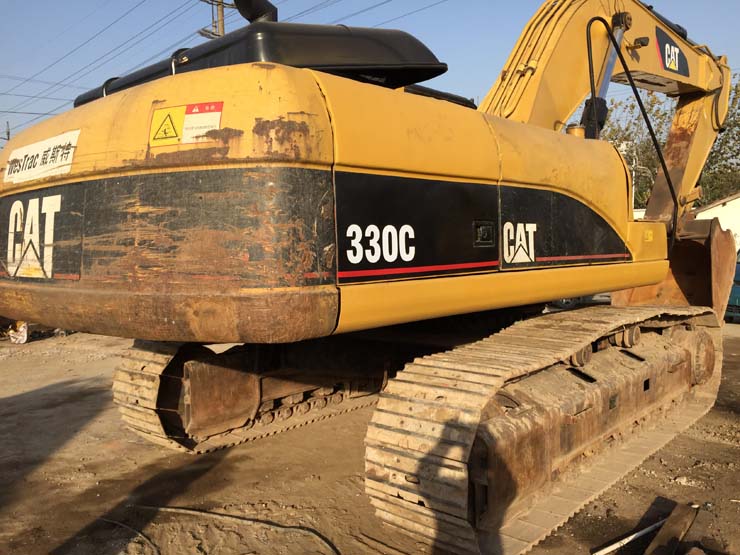
- Make:
- Model Name:
- Place of Origin:
- Caterpillar
- 330C
- Japan
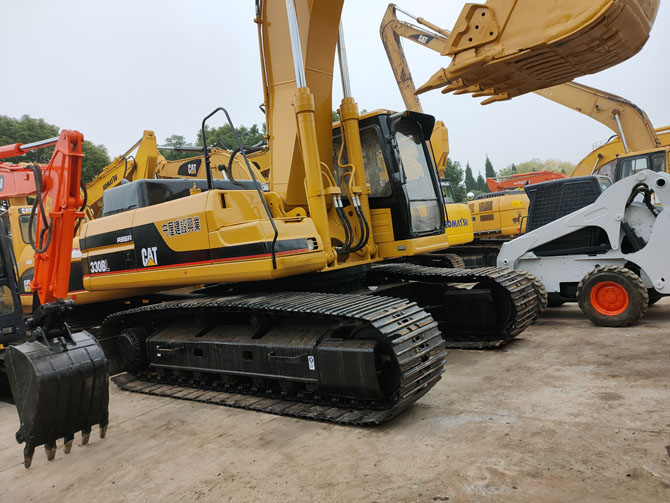
- Make:
- Model Name:
- Place of Origin:
- Caterpillar
- 330BL
- Japan