Hitachi vs Volvo Excavator: Which Is Right for You?
When choosing a reliable excavator for construction, mining, or infrastructure projects, two global brands frequently come up in comparison: Hitachi vs Volvo. Both manufacturers have built strong reputations for durability, advanced technology, and performance. However, each brand offers distinct advantages depending on your jobsite needs, budget, and operating preferences.
In this guide, we’ll compare Hitachi vs Volvo excavators across performance, fuel efficiency, technology, maintenance, market feedback, and overall value.
1. Brand Background
Hitachi Construction Machinery is a Japanese manufacturer known for precision engineering and powerful hydraulic systems. Its excavators are widely respected for durability and consistent performance in heavy-duty environments.
Volvo Construction Equipment, part of the Swedish Volvo Group, focuses on innovation, safety, and environmental performance. Volvo machines emphasize operator comfort and advanced electronic systems.
Both brands compete strongly in mid-size to large excavator markets worldwide.
2. Performance and Digging Power
Performance is a core factor when comparing Hitachi vs Volvo excavators.
Hitachi excavators
Strong, responsive hydraulics
Fast cycle times
Excellent for quarrying, mining, and heavy earthmoving
Smooth and precise control
Volvo excavators
Balanced power delivery
Optimized hydraulic efficiency
Stable operation in urban and infrastructure projects
Verdict:
Hitachi typically leads in raw digging power and productivity, while Volvo emphasizes smooth, efficient performance.
3. Fuel Efficiency
Fuel costs significantly impact total ownership expenses.
Volvo excavators are widely known for fuel-saving technologies, including intelligent work modes that adjust engine output to workload.
Hitachi machines are also efficient, but Volvo often has the edge in fuel economy, especially in newer models.
Verdict:
Volvo generally offers better fuel efficiency and lower long-term fuel costs.
4. Operator Comfort and Technology
Operator productivity depends heavily on cab design.
Volvo advantages
Spacious, ergonomic cab
Excellent visibility
Advanced monitoring systems
Smooth joystick control
Hitachi advantages
Simple, intuitive controls
Focus on hydraulic responsiveness
Reliable mechanical design
Verdict:
Volvo usually leads in comfort and high-tech features.
5. Maintenance, Reliability, and Market Feedback
Reliability and ease of repair are critical for minimizing downtime.
Hitachi Excavators
Known for durable construction
Relatively simple hydraulic systems
Easier field repairs in many regions
Widely available aftermarket parts
Volvo Excavators — Market Feedback on Repair Difficulty
While Volvo machines are reliable, market feedback often notes that maintenance and repairs can be more difficult and expensive, particularly outside strong dealer networks.
Common concerns reported by operators and parts suppliers include:
Complex electronic systems requiring specialized diagnostics
Dependence on genuine parts
Longer downtime when parts are not locally available
Higher repair costs compared with simpler machines
Modern Volvo excavators rely heavily on sensors and electronic controls, which can complicate troubleshooting when failures occur.
In remote projects, obtaining the correct replacement parts and service support for Volvo machines can be logistically challenging, sometimes leading to extended downtime.
Additionally, manufacturers emphasize using genuine components to maintain reliability, which may increase maintenance costs.
Market perception:
Volvo excavators are technologically advanced but can be harder to repair without dealer support.
Verdict:
Hitachi may have an advantage in ease of maintenance and field serviceability, while Volvo excels in technology but may require more specialized support.
6. Resale Value
Both brands maintain strong resale value globally.
Hitachi machines are popular in heavy-duty sectors
Volvo machines attract buyers seeking comfort and efficiency
Regional demand strongly influences resale prices
Well-maintained units from either brand typically retain significant value.
7. Which Brand Should You Choose?
Choose Hitachi if you want:
Maximum digging power
Proven durability in harsh conditions
Easier maintenance and repairs
Strong performance in mining and heavy construction
Choose Volvo if you want:
Superior fuel efficiency
High operator comfort
Advanced technology and safety features
Lower fuel consumption in long-term operation
Conclusion
The comparison of Hitachi vs Volvo excavators shows that both brands produce high-quality machines suited for demanding applications.
Hitachi machines are often preferred for their power, durability, and simpler maintenance. Volvo excavators stand out for fuel efficiency, comfort, and advanced technology—but market feedback suggests repairs can be more complex and costly without strong dealer support.
Ultimately, the right choice depends on your project requirements, operating environment, and access to service infrastructure.
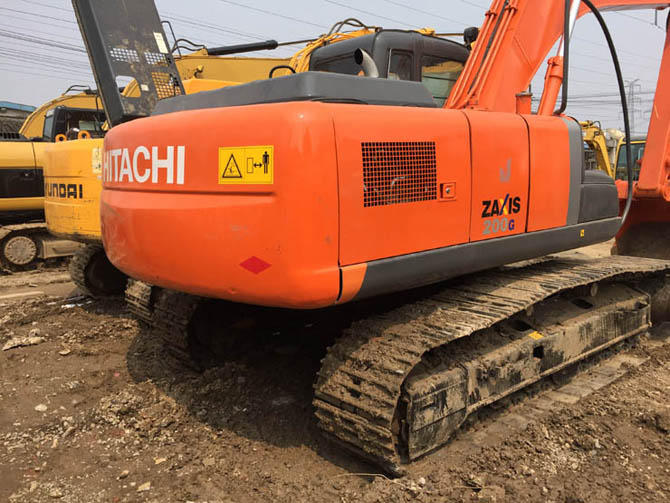
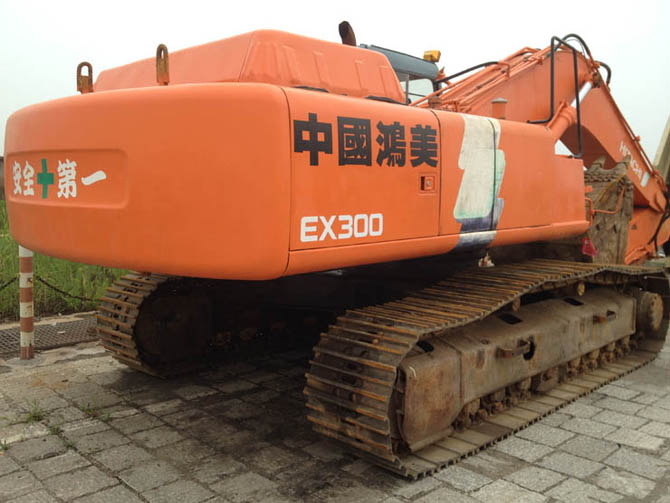
- Make:
- Model Name:
- Place of Origin:
- Hitachi
- ZX200
- Japan
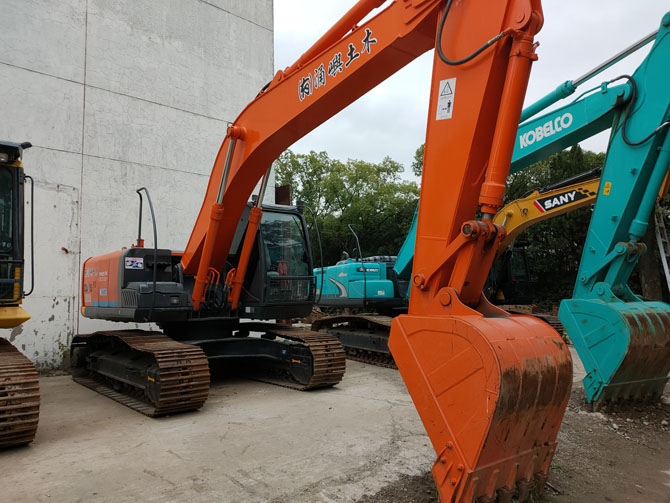
- Make:
- Model Name:
- Place of Origin:
- Hitachi
- EX300-3
- Japan
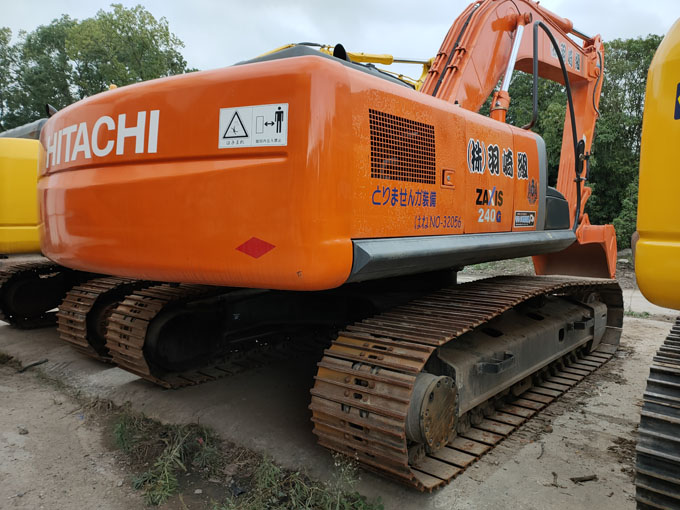
- Make:
- Model Name:
- Place of Origin:
- Hitachi
- ZX200
- Japan
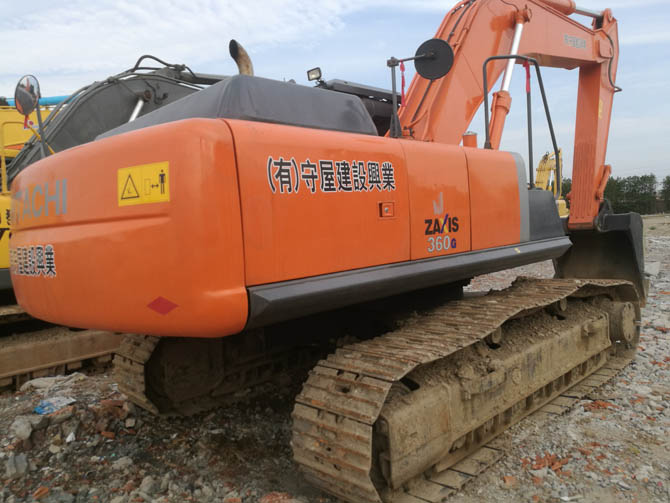
- Make:
- Model Name:
- Place of Origin:
- Hitachi
- ZX240-3G
- Japan
- Make:
- Model Name:
- Place of Origin:
- Hitachi
- ZX360H-3G
- Japan
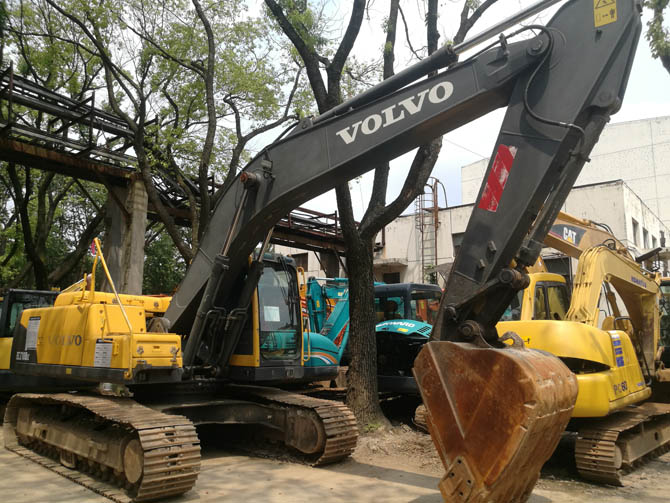
- Make:
- Model Name:
- Place of Origin:
- Volvo
- EC210BLC
- Korea
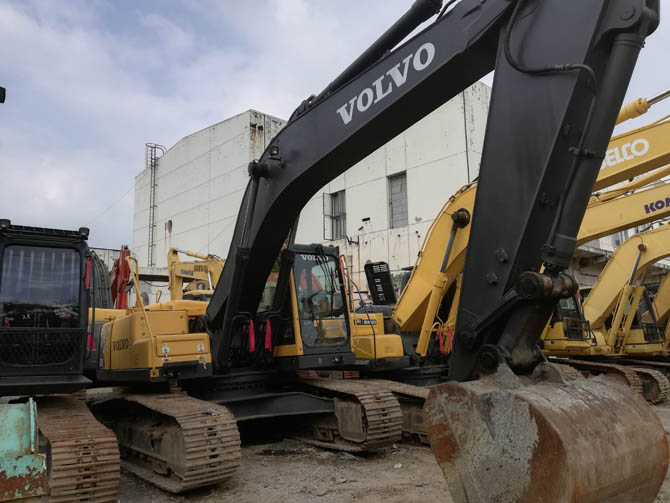
- Make:
- Model Name:
- Place of Origin:
- Volvo
- EC240B
- Korea
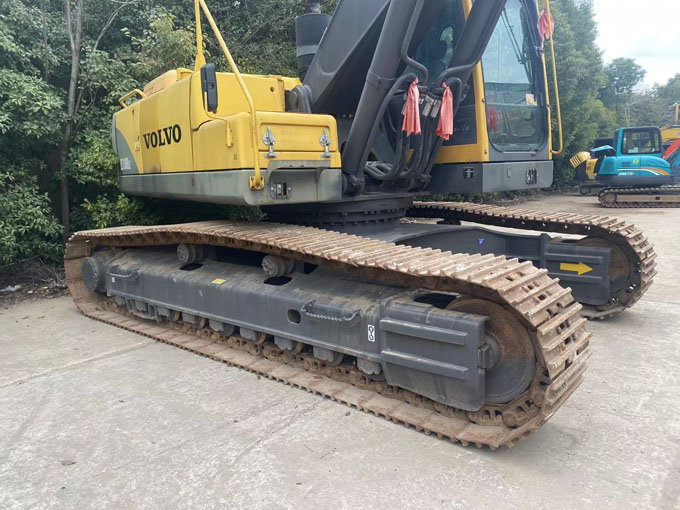
- Make:
- Model Name:
- Place of Origin:
- Volvo
- EC360BLC
- Korea
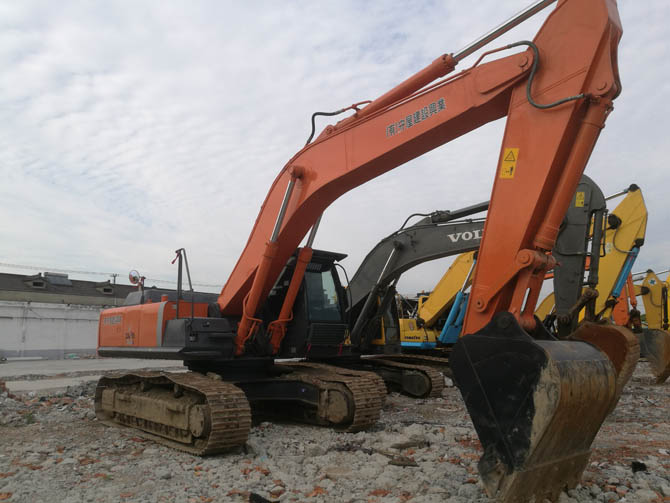
- Make:
- Model Name:
- Place of Origin:
- Hitachi
- ZX360
- Japan