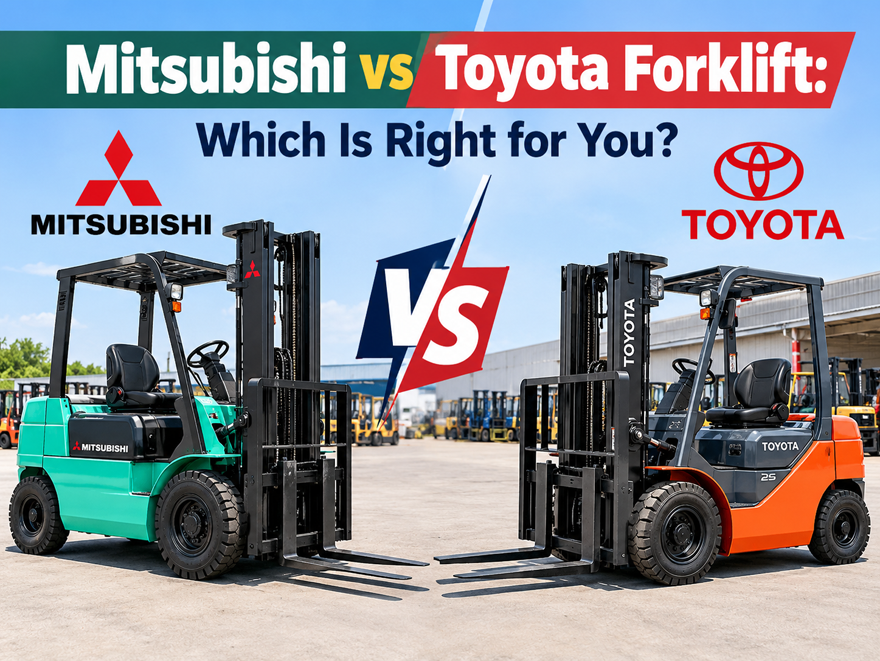
Mitsubishi vs Toyota Forklift: Which Is Right for You?
Choosing between Mitsubishi and Toyota forklifts depends on your budget, lifting requirements, working environment, and maintenance expectations. Both brands offer reliable material-handling equipment for warehouses, factories, construction sites, and industrial operations. However, comparing their strengths can help you select the right forklift for your business.
Mitsubishi vs Toyota Forklift: Brand Overview
Mitsubishi and Toyota are well-known Japanese manufacturers with experience in producing industrial equipment. Both brands offer forklifts in different capacities, making them suitable for various material-handling applications.
Mitsubishi forklifts are worth considering if you need practical equipment for industrial operations, including heavy-duty material handling. The brand offers different forklift models and configurations for businesses with varying lifting requirements.
Toyota forklifts are widely recognized for their reliability, operator-friendly designs, and broad range of material-handling solutions. They are popular choices for warehouses, distribution centers, manufacturing plants, and logistics operations.
When buying a used forklift, remember that the machine’s actual condition, maintenance history, and parts availability can matter more than the brand name alone.
Performance and Lifting Capacity
When comparing Mitsubishi vs Toyota Forklift models, start by identifying the weight and dimensions of the loads you handle.
Both manufacturers offer forklifts for light-duty warehouse work and heavier industrial applications. Depending on the model, you can find machines suitable for lifting pallets, transporting materials, loading trucks, and handling heavy industrial goods.
Toyota offers a broad selection of standard warehouse and industrial forklifts. Mitsubishi also provides models for different applications, including demanding material-handling environments.
For heavy loads, check the rated lifting capacity, load center, maximum lifting height, and mast configuration. A forklift’s rated capacity may decrease when handling long or oversized loads or when using certain attachments.
Buying tip: Never choose a forklift based on its advertised tonnage alone. Confirm that its load chart matches your actual working conditions.
Reliability and Durability
Reliability is an important consideration when purchasing equipment for daily operations.
Toyota forklifts have a strong reputation for dependable performance and are widely used in commercial and industrial facilities. Their suitability for your business will depend on the specific model, maintenance history, and operating conditions.
Mitsubishi forklifts are also worth considering for businesses seeking dependable equipment for regular material handling. As with Toyota, proper servicing and responsible operation are essential for long-term performance.
For used machines, inspect the engine, transmission, hydraulic system, mast, forks, tires, and braking system before making a purchase. Look for oil leaks, unusual noises, excessive smoke, and signs of structural damage.
A well-maintained used Mitsubishi forklift may be a better investment than a neglected Toyota forklift, and the opposite can also be true.
Maintenance and Spare Parts
Maintenance costs can significantly affect the total cost of owning a forklift.
Toyota parts and servicing may be easier to access in some markets because of the brand’s established presence. Mitsubishi parts availability also varies by country, model, and local dealer network.
Before purchasing either brand, check the availability and prices of common replacement parts, including filters, hydraulic components, transmission parts, and engine components.
If you are buying a used forklift for export, ask the supplier about the machine’s origin, model number, engine type, and service history. Confirm that replacement parts can be obtained in your destination country.
For businesses in Africa and other developing markets, local mechanics’ familiarity with the selected model is another important consideration.
Purchase Price and Operating Costs
The purchase price of a forklift depends on its model, lifting capacity, manufacturing year, operating hours, condition, and country of origin.
A used Mitsubishi forklift may offer good value for businesses working within a limited budget. Toyota forklifts can also be attractive used-machine purchases, particularly when a well-maintained unit is available at a competitive price.
However, neither brand is always cheaper. Compare machines with similar capacities, specifications, operating hours, and conditions before deciding.
When calculating the total cost, consider:
Initial purchase price and shipping costs.
Fuel consumption and routine servicing.
Spare parts and repair expenses.
Tire replacement and battery costs, where applicable.
Expected working hours and resale value.
A low purchase price does not necessarily mean lower ownership costs. A machine in good condition with a documented service history can help reduce unexpected downtime.
Which Forklift Is Better for Different Applications?
The best choice depends on your specific requirements.
Choose a Toyota forklift if:
You want a machine from a widely recognized material-handling brand.
You need a forklift for warehouse, distribution, or manufacturing operations.
Toyota service support and spare parts are readily available in your area.
You find a used unit with good maintenance records and a competitive price.
Choose a Mitsubishi forklift if:
You find a suitable model that meets your lifting requirements.
The machine offers a competitive purchase price and operating costs.
Local mechanics can service it and replacement parts are accessible.
You need dependable equipment for industrial or commercial material handling.
For heavy-duty applications, compare individual models rather than assuming one brand is automatically stronger or more durable than the other.
Mitsubishi vs Toyota Forklift: Which Is Better for Used Equipment Buyers?
If you are purchasing a used forklift, the machine’s condition should be one of your highest priorities.
Before paying, ask the seller for clear photos, operating videos, the machine’s identification plate, and maintenance information. If possible, arrange an independent inspection and test the forklift under load.
Pay particular attention to engine performance, transmission operation, hydraulic lifting speed, mast movement, and steering. Check the tires and forks for excessive wear, and verify that the machine can safely lift your intended loads.
For international buyers, confirm the shipping method, export documentation, and total landed cost before placing an order.
A reliable supplier should provide accurate machine details, transparent pricing, and clear information about any known defects.
Final Verdict
The choice between Mitsubishi and Toyota depends on your application, budget, local parts supply, and the condition of the individual machine.
Toyota is a strong option for buyers who value its established reputation and broad material-handling range. Mitsubishi is also worth considering when you find a suitable, well-maintained machine at a competitive price.
For used forklift buyers, the smartest decision is to compare specifications, inspect the equipment carefully, and calculate total ownership costs. Choosing the right machine matters more than choosing a brand based on reputation alone.
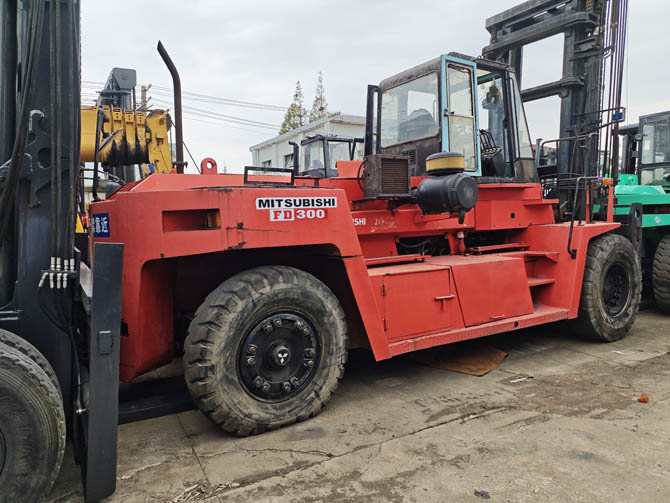
- Make:
- Model Name:
- Place of Origin:
- Mitsubishi
- FD300
- Japan
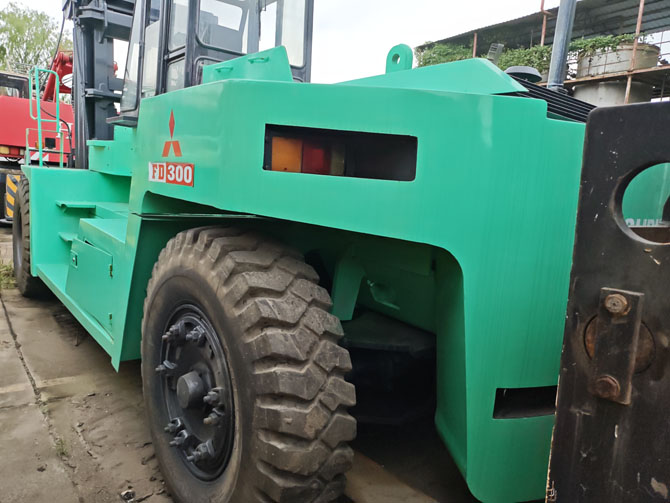
- Make:
- Model Name:
- Place of Origin:
- Mitsubishi
- FD300
- Japan
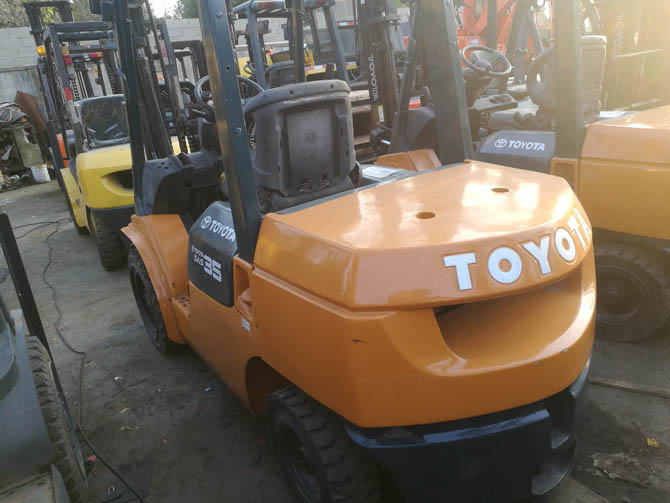
- Make:
- Model Name:
- Place of Origin:
- Toyota
- 72-7FDJ35
- Japan
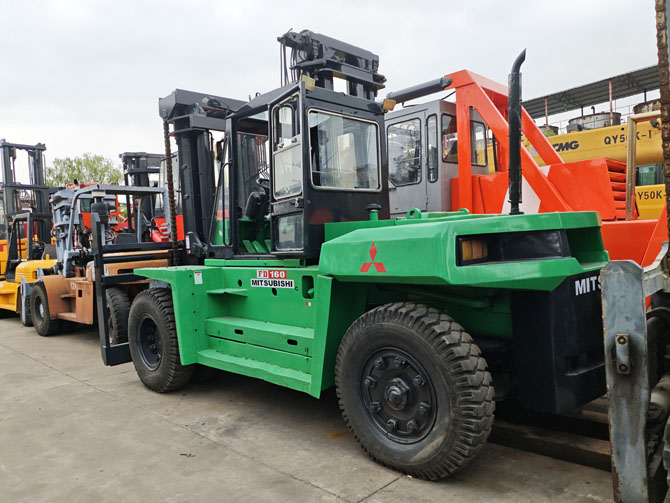
- Make:
- Model Name:
- Place of Origin:
- Mitsubishi
- FD160
- Japan
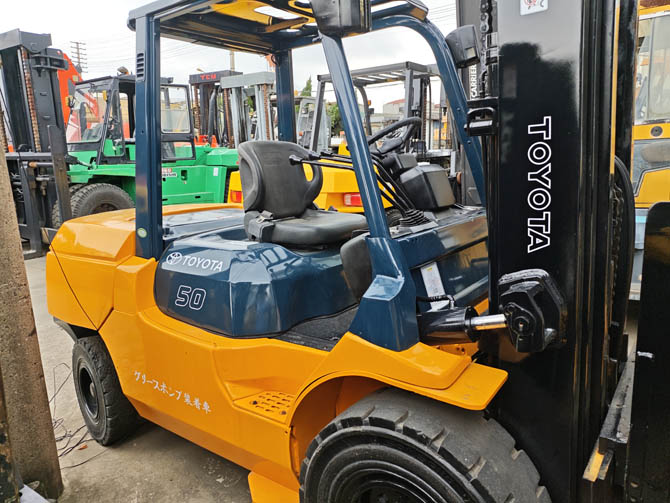
- Make:
- Model Name:
- Place of Origin:
- Toyota
- 7FDA50
- Japan