How to Check a Used Excavator in 30 Minutes
Buying a used excavator can save a significant amount of money, but only if the machine is in good condition. Many buyers do not have hours to inspect equipment on site, so learning How to Check a Used Excavator quickly and efficiently is extremely valuable. In this guide, we will show you a practical 30-minute inspection process that helps you identify major problems before making a purchase.
1. Start with a Quick Walk-Around (5 Minutes)
The first step in How to Check a Used Excavator is a visual inspection. Walk around the machine and look for obvious damage or signs of heavy wear.
Things to check:
Cracks on the boom, arm, or bucket
Welding marks that may indicate previous structural repairs
Oil leaks under the machine
Condition of hoses and hydraulic lines
Excessive rust on the frame or body
Also check whether the machine looks clean and maintained. A well-maintained excavator often reflects how the previous owner treated the equipment.
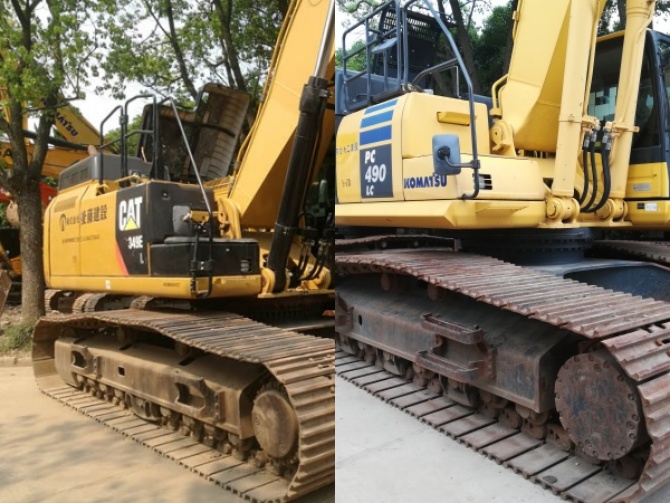
2. Inspect the Undercarriage (5 Minutes)
The undercarriage can account for a large portion of repair costs, so it is a key step in How to Check a Used Excavator.
Look at:
Track shoes and track pads
Track chain wear
Rollers and idlers
Track tension
If the tracks are extremely worn or uneven, the replacement cost can be very high. Uneven wear may also indicate alignment problems.
3. Check the Engine Condition (5 Minutes)
Start the engine and observe how it behaves. When learning How to Check a Used Excavator, the engine is one of the most critical components.
Pay attention to:
Difficulty starting
Excessive black, blue, or white smoke
Unusual engine noise
Oil leaks around the engine
Let the engine idle for a few minutes and listen carefully. A stable idle and smooth sound are good signs.
4. Test the Hydraulic System (10 Minutes)
Hydraulics are the heart of an excavator. A quick functional test is essential when practicing How to Check a Used Excavator.
Operate the machine and test:
Boom lifting and lowering
Arm extension and retraction
Bucket movement
Swing rotation
Travel forward and backward
The movements should be smooth and responsive. Jerky motion or slow response may indicate hydraulic pump wear or valve issues.
5. Check the Cabin and Controls (3 Minutes)
The operator cabin also provides useful clues about the machine’s condition.
Check for:
Working gauges and displays
Joystick responsiveness
Seat and safety belt condition
Air conditioning and electrical switches
A severely worn cabin may suggest the machine has very high operating hours.
6. Review Documents and Serial Numbers (2 Minutes)
The final step in How to Check a Used Excavator is verifying the machine’s identity.
Confirm:
Serial number on the frame
Engine number
Maintenance records
Ownership documents
Matching numbers and proper documentation reduce the risk of purchasing problematic equipment.
Conclusion
Learning How to Check a Used Excavator does not require hours of inspection. By following this structured 30-minute process—checking the exterior, undercarriage, engine, hydraulics, cabin, and documentation—you can quickly identify major issues and make a more confident purchasing decision.
A careful inspection helps you avoid expensive repairs and ensures that the used excavator you buy will deliver reliable performance on the job site.
- Make:
- Model Name:
- Place of Origin:
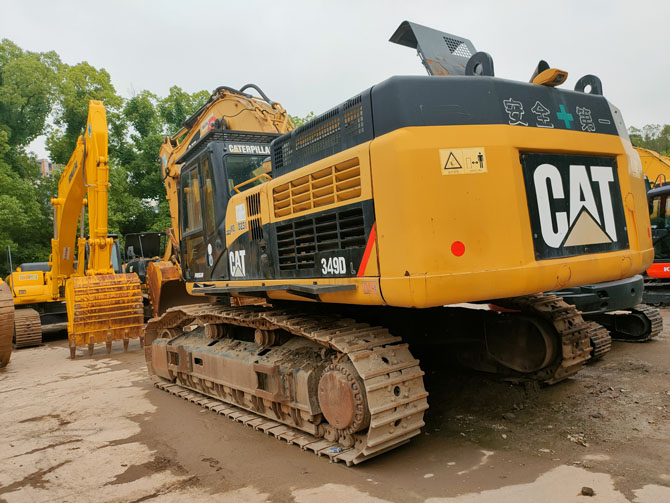
- Caterpillar
- 349DL
- Japan
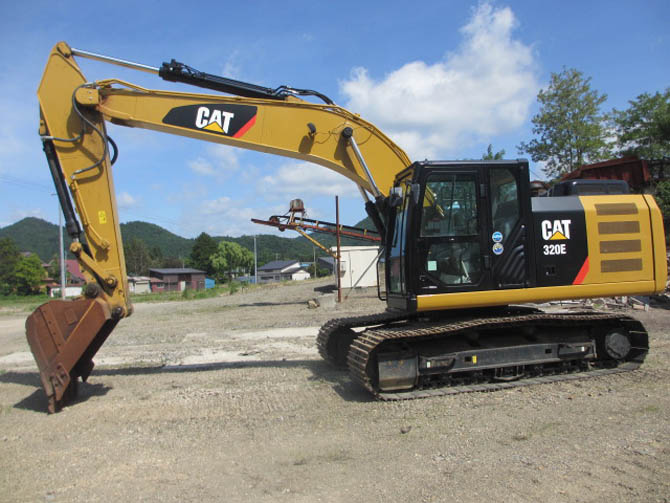
- Make:
- Model Name:
- Place of Origin:
- Caterpillar
- 320E
- Japan
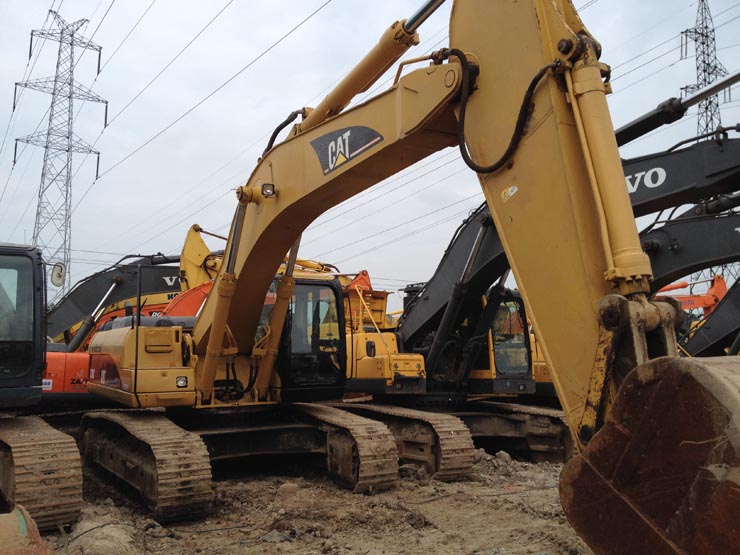
- Make:
- Model Name:
- Place of Origin:
- Caterpillar
- 330C
- Japan
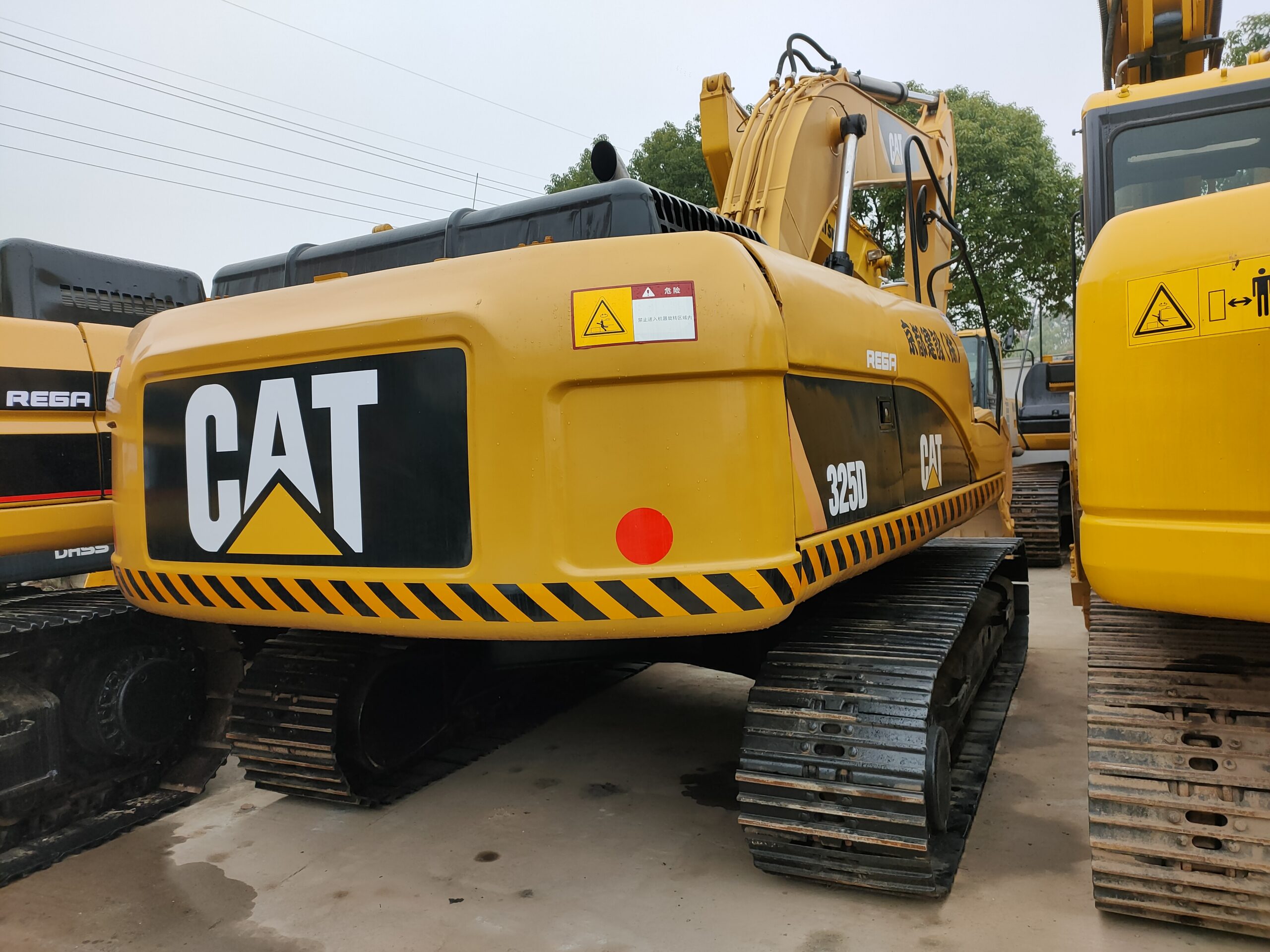
- Make:
- Model Name:
- Place of Origin:
- Caterpillar
- 325D
- Japan
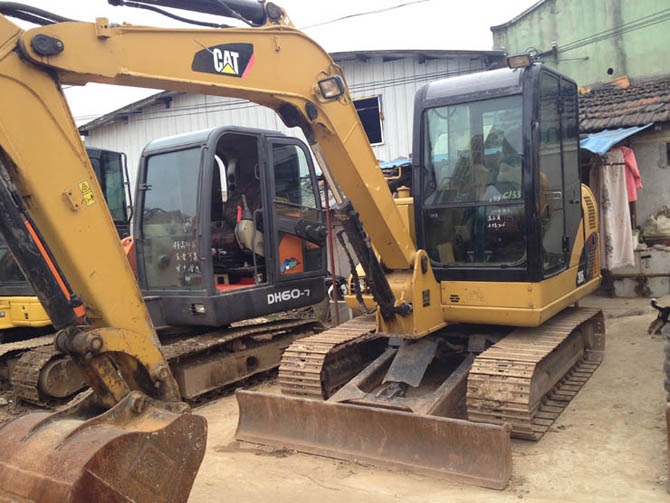
- Make:
- Model Name:
- Place of Origin:
- Caterpillar
- 306
- Japan
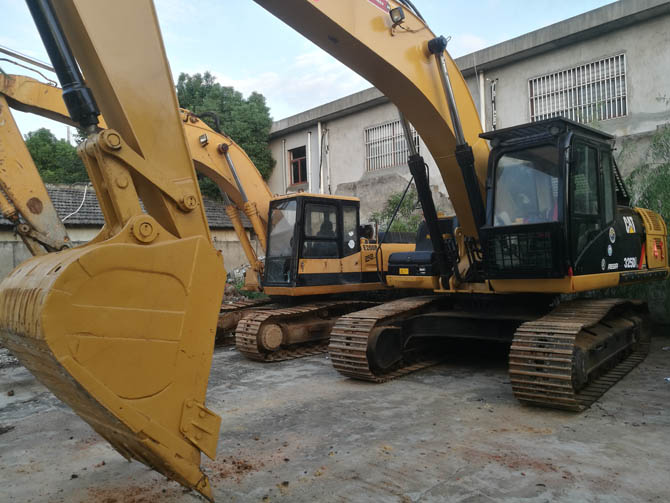
- Make:
- Model Name:
- Place of Origin:
- Caterpillar
- 325DL
- Japan
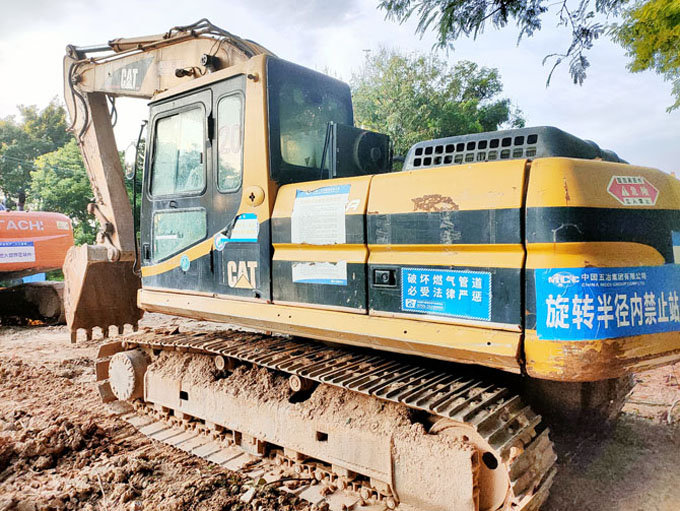
- Make:
- Model Name:
- Place of Origin:
- Caterpillar
- 320B
- Japan
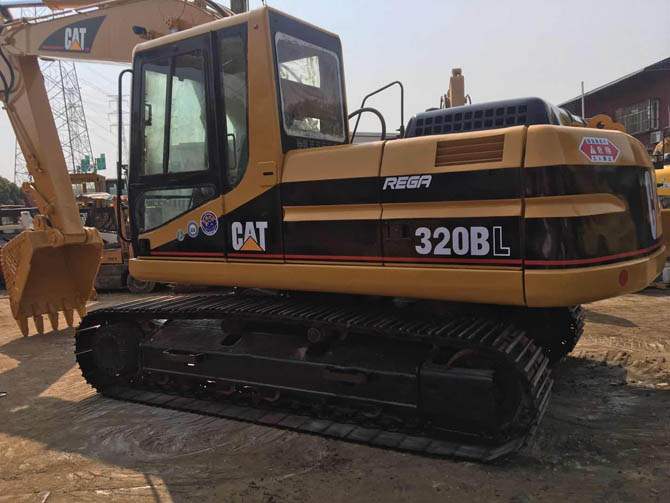
- Make:
- Model Name:
- Place of Origin:
- Caterpillar
- 320BL
- Japan
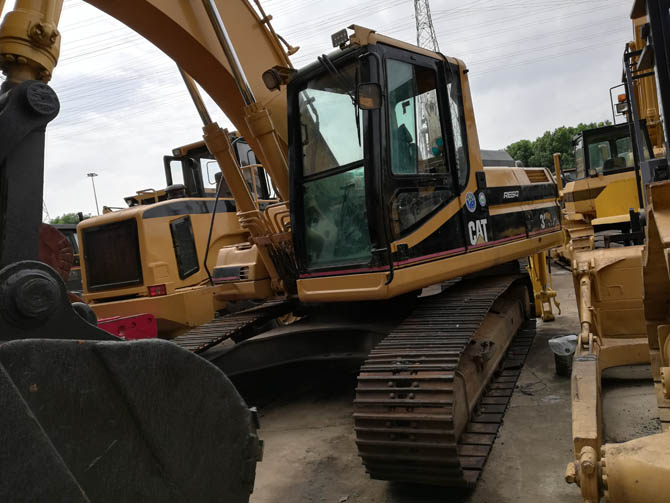
- Make:
- Model Name:
- Place of Origin:
- Caterpillar
- 320BL
- Japan