How to Choose the Right Excavator
Choosing heavy equipment is a major investment, especially in construction, mining, and infrastructure projects. If you are wondering how to choose the right excavator, you need to evaluate your job requirements, budget, operating environment, and long-term maintenance costs. This guide will help you make a smart and profitable decision.
1. Understand Your Project Requirements
The first step in learning how to choose the right excavator is understanding what kind of work you will perform.
Ask yourself:
What type of material will you dig? (soil, rock, sand, demolition debris)
How deep do you need to dig?
What is the required loading height?
How many working hours per day?
For small urban projects or landscaping, a mini excavator (1–6 tons) may be sufficient. For road construction, mining, or large-scale earthmoving, you may need a 20–40 ton crawler excavator such as the Caterpillar 320.
Choosing the correct size prevents overpaying for unnecessary capacity or underperforming on the job site.
2. Select the Right Excavator Type
When considering how to choose the right excavator, machine type is critical:
Crawler Excavator
Best for rough terrain
Strong stability
Ideal for heavy-duty applications
Wheeled Excavator
Faster travel speed
Suitable for city projects
Lower ground damage
Mini Excavator
Compact size
Perfect for tight spaces
Lower fuel consumption
Each type serves a different purpose. Match the machine to your working environment for maximum efficiency.
3. Check Engine Power and Hydraulic Performance
Excavator productivity depends on:
Engine horsepower
Hydraulic pump capacity
Swing speed
Fuel efficiency
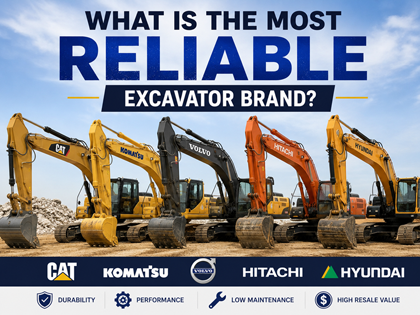
For example, models from Komatsu and Hitachi Construction Machinery are well-known for reliable hydraulic systems and stable performance.
Strong hydraulic flow ensures faster cycle times and better attachment performance.
4. Evaluate Operating Costs
If you truly want to understand how to choose the right excavator, look beyond the purchase price.
Consider:
Fuel consumption
Spare parts availability
Maintenance frequency
Resale value
Sometimes a slightly higher initial investment leads to lower long-term ownership costs.
5. Consider New vs. Used Excavators
New excavators offer:
Latest technology
Warranty protection
Lower risk
Used excavators offer:
Lower purchase cost
Faster return on investment
However, when buying used equipment, carefully verify:
Manufacturing year
Working hours
Original condition
Service history
Always inspect the machine in person or hire a professional inspector.
6. Attachment Compatibility
Modern excavators can use various attachments:
Hydraulic breaker
Auger
Grapple
Quick coupler
Make sure the hydraulic system supports the attachments you need. This flexibility increases machine utilization and job site efficiency.
7. Choose a Reliable Supplier
A trustworthy supplier ensures:
Transparent machine information
Accurate manufacturing year
Honest condition reports
After-sales support
Good communication and clear documentation protect your investment.
Final Thoughts
Understanding how to choose the right excavator requires balancing performance, cost, size, and reliability. By carefully analyzing your project needs and supplier credibility, you can invest in equipment that maximizes productivity and profitability.
The right excavator is not just a machine — it is a long-term business partner.
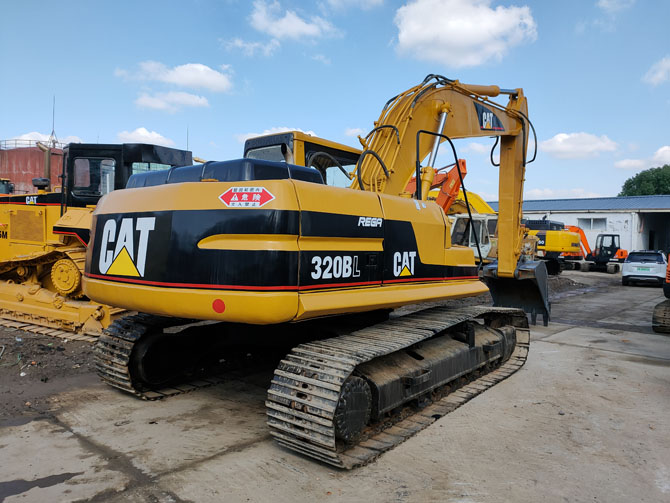
- Make:
- Model Name:
- Place of Origin:
- Caterpillar
- 320BL
- Japan
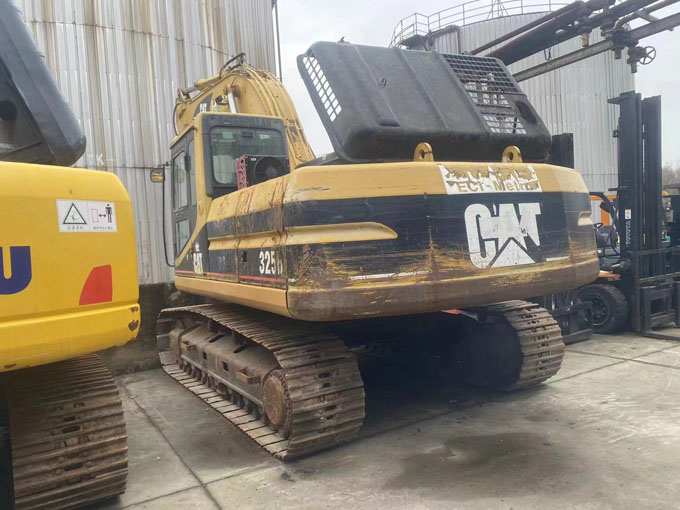
- Make:
- Model Name:
- Place of Origin:
- Caterpillar
- 325B
- Japan
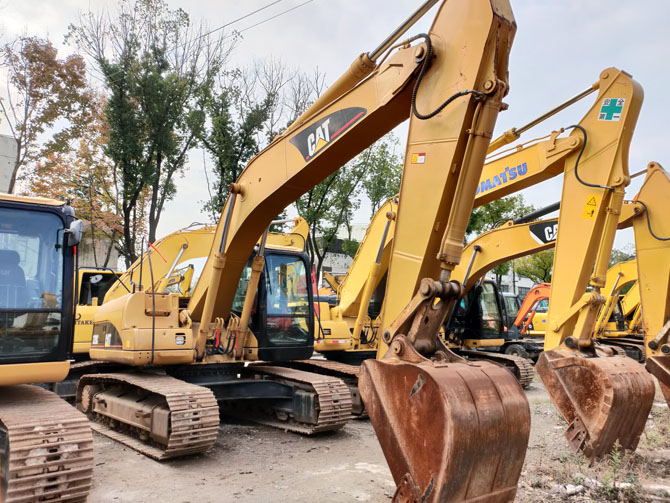
- Make:
- Model Name:
- Place of Origin:
- Caterpillar
- 320C
- Japan
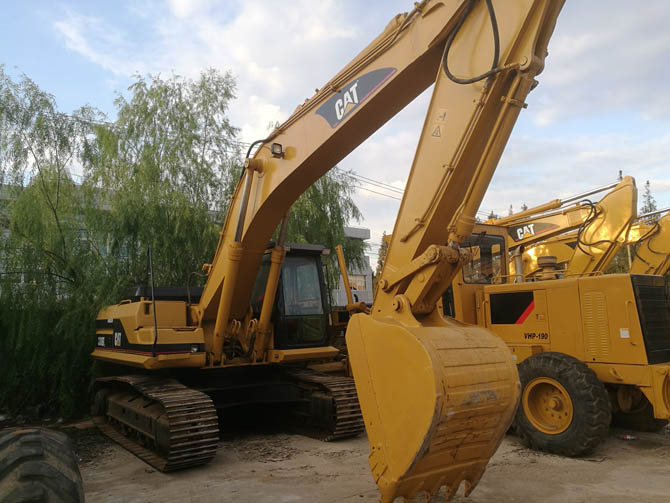
- Make:
- Model Name:
- Place of Origin:
- Caterpillar
- 330BL
- Japan
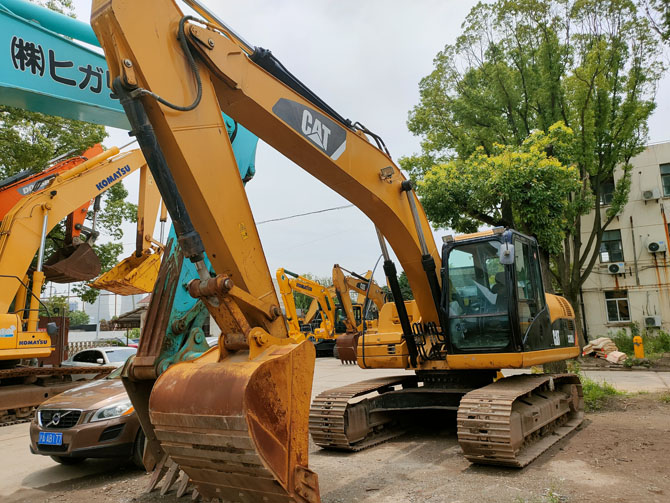
- Make:
- Model Name:
- Place of Origin:
- Caterpillar
- 320D2
- Japan
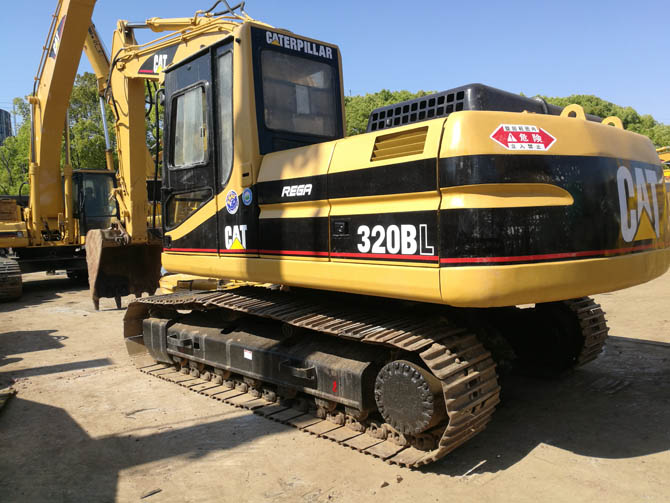
- Make:
- Model Name:
- Place of Origin:
- Caterpillar
- 320BL
- Japan
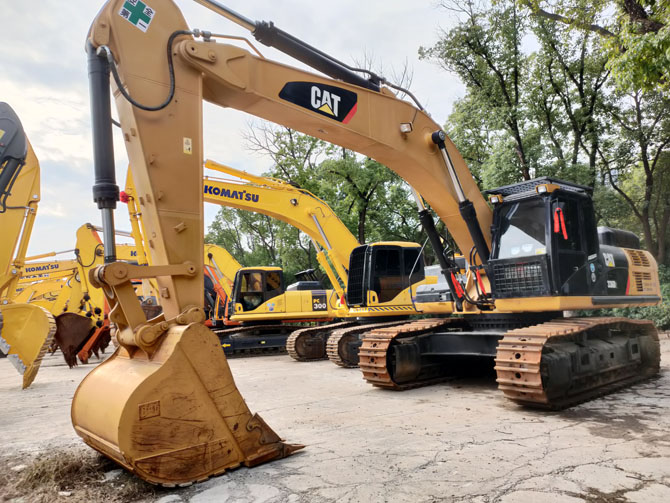
- Make:
- Model Name:
- Place of Origin:
- Caterpillar
- 336D
- Japan
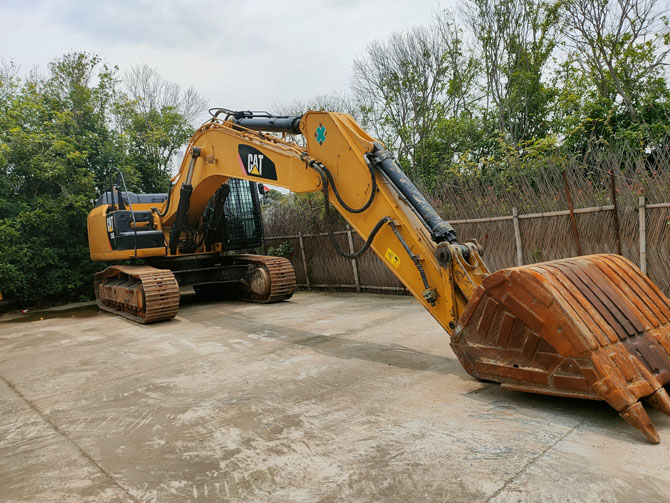
- Make:
- Model Name:
- Place of Origin:
- Caterpillar
- 336E
- Japan
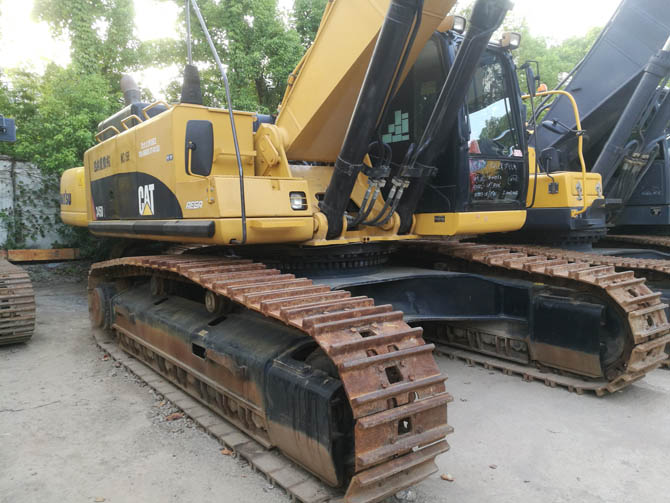
- Make:
- Model Name:
- Place of Origin:
- Caterpillar
- 345D
- Japan