
What’s the Difference Between Cat 320B and 320D?
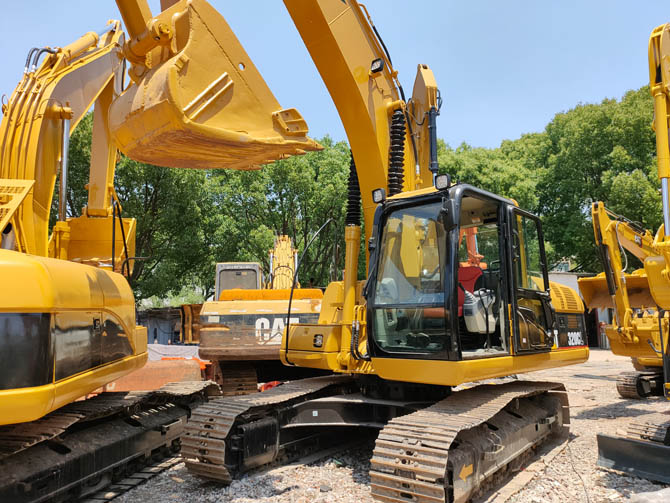
Understanding the difference between Cat 320B and 320D is essential for buyers comparing performance, technology, and value in the used excavator market. Although both belong to Caterpillar’s popular 20-ton class lineup, the models come from different generations and offer distinct upgrades in power, hydraulics, and efficiency.
Model Evolution and Built-Year Difference
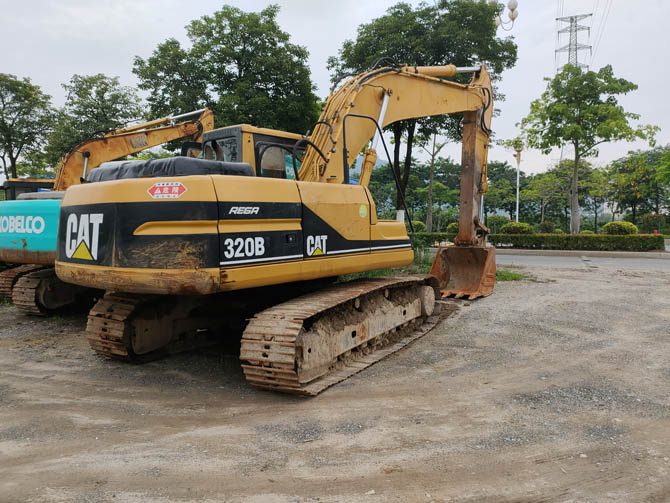
Caterpillar released the 320B in the late 1990s, with production running until 2001. After that, the 320C came after the 320B, representing Caterpillar’s third-generation update. Later, the 320D came after the 320C, entering the market around 2006. This built-year difference alone already explains why the 320D features more modern electronics, emissions controls, and hydraulic improvements.
Engine and Power
One major difference between Cat 320B and 320D lies in the engine.
Cat 320B typically uses the Cat 3066 engine, known for durability but lacking today’s advanced emission standards.
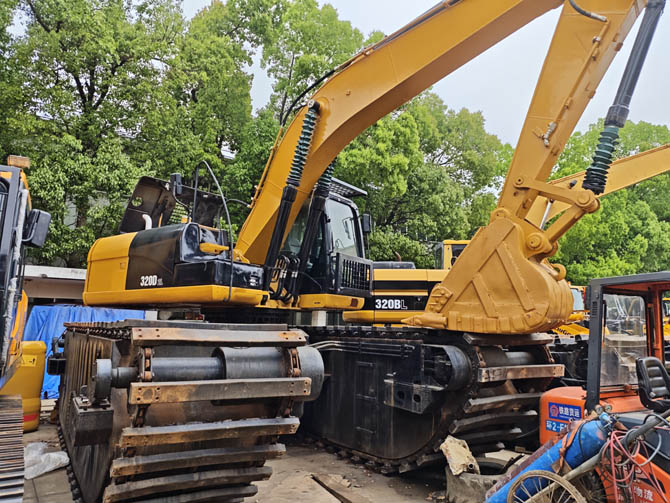
Cat 320D employs the C6.4 engine with ACERT technology, giving better fuel efficiency, more power output, and improved environmental performance.
Hydraulic System
The hydraulic system shows another key difference between Cat 320B and 320D.
The 320B is equipped with a reliable but simpler hydraulic setup suitable for general excavation.
The 320D benefits from a more responsive hydraulic system, allowing faster cycle times, smoother control, and improved precision for attachments.
Operator Comfort and Technology
Inside the cab, the difference between Cat 320B and 320D becomes clear.
The 320B offers basic comfort and visibility but limited digital monitoring.
The 320D introduces improved cab ergonomics, better climate control, a larger display panel, and advanced diagnostics that reduce downtime and support preventive maintenance.
Fuel Efficiency and Operating Cost
A noticeable difference between Cat 320B and 320D is how efficiently they use fuel. The 320D was designed during a period when fuel economy became a major focus. As a result, the ACERT engine and improved hydraulics deliver lower operating costs compared with the older 320B.
Which One Should You Choose?
If you prioritize lower purchase cost and simple maintenance, the Cat 320B remains a reliable classic. But if you prefer stronger performance, better technology, and reduced fuel consumption, the Cat 320D is the superior modern option. Understanding the difference between Cat 320B and 320D helps ensure you select the right excavator for your project requirements.
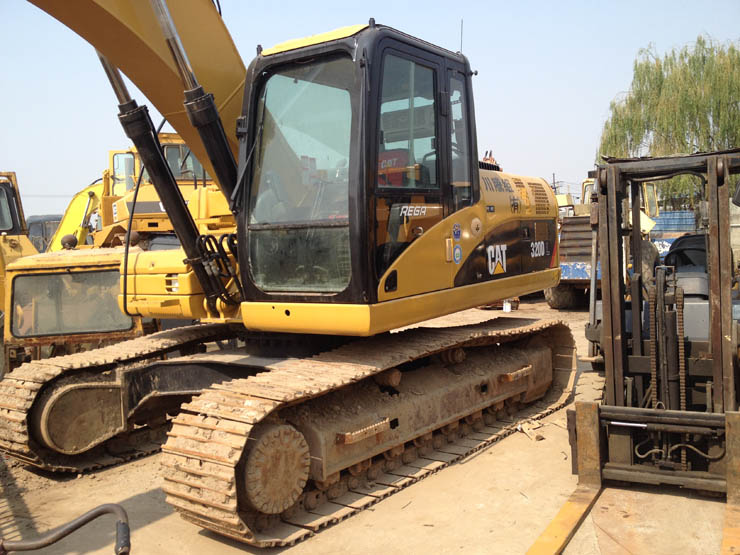
- Make:
- Model Name:
- Place of Origin:
- Caterpillar
- 320DL
- Japan
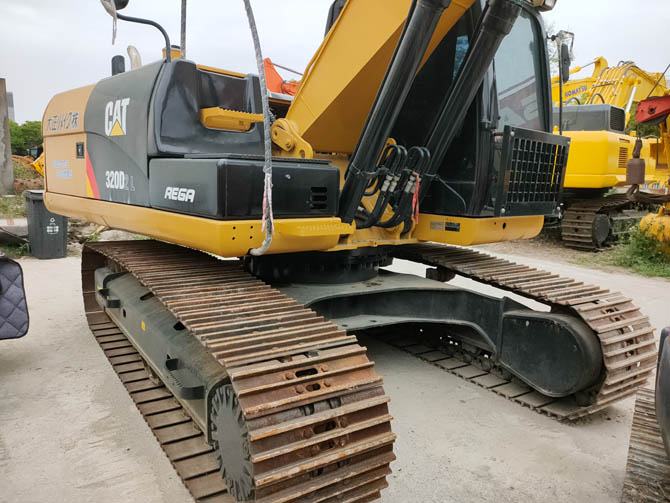
- Make:
- Model Name:
- Place of Origin:
- Caterpillar
- 320D2L
- Japan
- Make:
- Model Name:
- Place of Origin:
- Caterpillar
- 320CL
- Japan
- Make:
- Model Name:
- Place of Origin:
- Caterpillar
- 320B
- Japan
- Make:
- Model Name:
- Place of Origin:
- Caterpillar
- 320GC
- Japan
- Make:
- Model Name:
- Place of Origin:
- Caterpillar
- 320D
- Japan
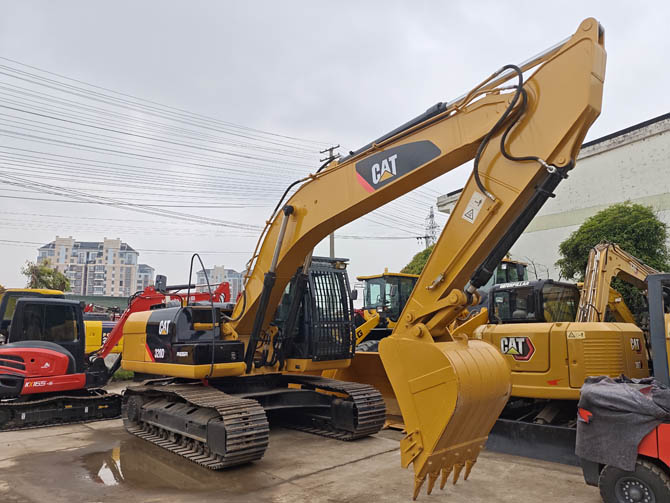
- Make:
- Model Name:
- Place of Origin:
- Caterpillar
- 320D
- Japan
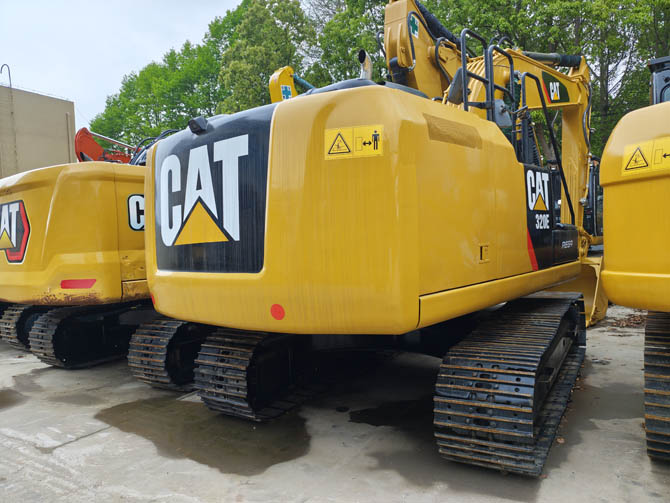
- Make:
- Model Name:
- Place of Origin:
- Caterpillar
- 320E
- Japan
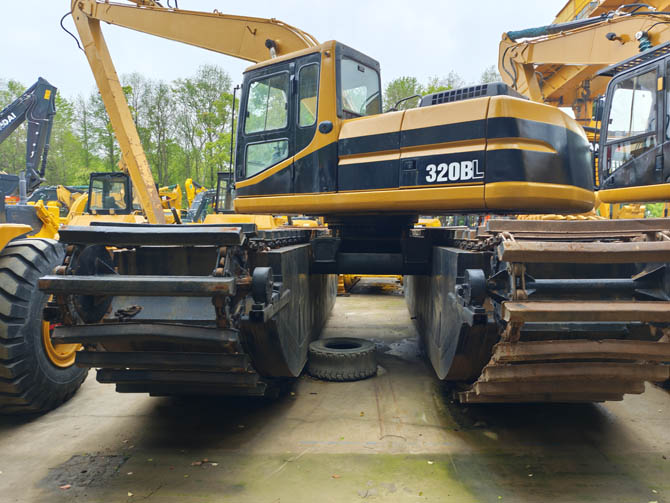
- Make:
- Model Name:
- Place of Origin:
- Caterpillar
- 320BL
- Japan