Best Shipping Methods for Used Excavators
Choosing the right shipping method is just as important as choosing the right excavator. A suitable shipping solution can reduce transportation costs, shorten delivery time, and ensure your machine arrives safely.
In this guide, we’ll compare the most common shipping methods for used excavators and explain which option is best for different machine sizes.
Why Choosing the Right Shipping Method Matters
Shipping costs can represent a significant portion of the total investment when importing a used excavator. The right transportation method helps you:
- Reduce shipping expenses
- Minimize the risk of damage
- Improve delivery efficiency
- Simplify customs clearance
- Receive your machine on schedule
Your ideal shipping method depends on the excavator’s size, destination, budget, and delivery requirements.
Break Bulk Shipping
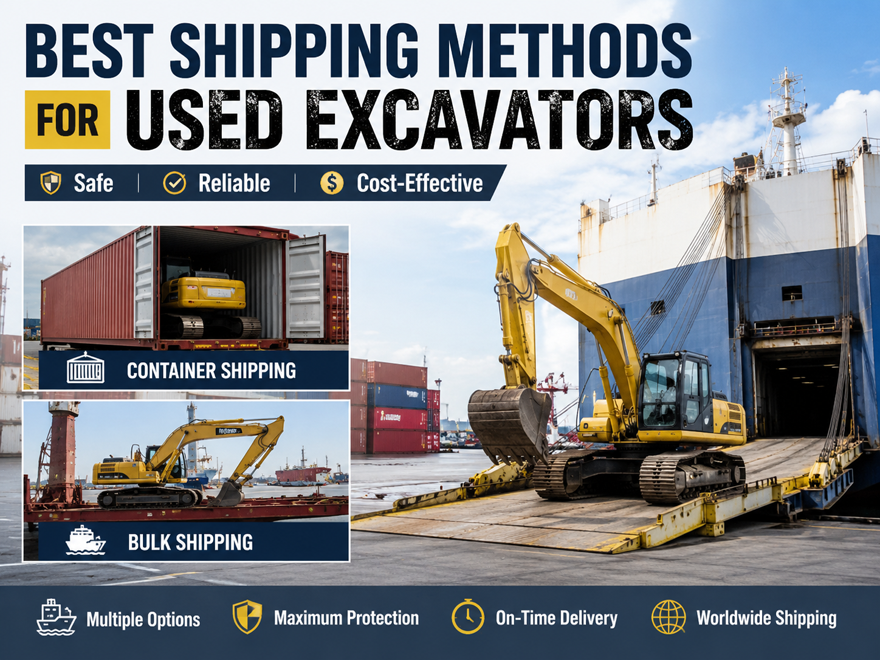
Break bulk shipping is the most popular and economical option for medium and large excavators.
Instead of loading the machine into a container, the excavator is driven or lifted directly onto the vessel and secured on deck or in the cargo hold.
Advantages
- Lowest shipping cost for large machines
- No need to dismantle the excavator
- Suitable for 20 to 100-ton excavators
- Easy loading and unloading
- Ideal for shipping multiple machines together
Disadvantages
- Less frequent sailing schedules
- Longer waiting time before departure
- Transit time may be longer than container shipping
Break bulk shipping is widely used for exporting used excavators from China to Africa, the Middle East, Southeast Asia, and South America.
Container Shipping
Container shipping is the preferred choice for mini excavators and compact models.
Machines weighing up to approximately 8 tons can usually fit directly into a 20-foot or 40-foot container.
Some medium-sized excavators can also fit into containers after removing the boom, arm, bucket, cab, and tracks. This method allows buyers to use standard container shipping, which can reduce transportation costs on some routes. However, it requires professional disassembly before shipment and reassembly after arrival.
Advantages
- Excellent protection from weather and theft
- Regular sailing schedules
- Faster customs handling in many countries
- Can ship spare parts together with the machine
- Suitable for door-to-door logistics
Disadvantages
- Limited by container dimensions
- Medium excavators require partial dismantling
- Additional labor for disassembly and reassembly
- Higher loading complexity
Container shipping is often the best solution for mini excavators and buyers who prefer fixed shipping schedules.
Roll-on/Roll-off (RoRo) Shipping
RoRo vessels allow self-propelled machines to drive directly onto the ship and off again at the destination.
Advantages
- Fast loading and unloading
- Minimal cargo handling
- Lower risk of loading damage
- No container required
Disadvantages
- Limited availability of RoRo routes
- Not all ports support RoRo services
- Freight rates may be higher than break bulk shipping
RoRo shipping is suitable for construction equipment that can move under its own power.
Flat Rack Container Shipping
Flat rack containers are designed for oversized equipment that cannot fit inside a standard container.
The excavator is securely fastened to the flat rack before shipment.
Advantages
- Suitable for oversized excavators
- Available through many container shipping lines
- Stable cargo securing
Disadvantages
- Higher freight charges
- Additional lashing costs
- Equipment is exposed to weather during transport
Flat rack shipping is commonly used when break bulk or RoRo services are unavailable.
Shipping Cost Comparison
| Shipping Method | Cost | Best For |
|---|---|---|
| Break Bulk | Lowest | 20–100 ton excavators |
| Container | Medium | Mini and some medium excavators |
| RoRo | Medium to High | Self-propelled equipment |
| Flat Rack | Highest | Oversized excavators |
Actual shipping costs vary depending on the destination, shipping season, vessel availability, and port charges.
Typical Shipping Time from China
Average transit times include:
- Southeast Asia: 7–15 days
- East Africa: approximately 20 days by container; break bulk shipments are often around 10 days slower.
- West Africa: generally about 10 days longer than East Africa, depending on whether the shipment is direct or requires transshipment.
- Middle East: 20–30 days
- South America: 35–50 days
Actual delivery times depend on the shipping line, destination port, customs clearance, and weather conditions.
Tips to Reduce Shipping Costs
You can lower transportation costs by following these recommendations:
- Choose the most suitable shipping method rather than simply the cheapest.
- Buy machines located near major Chinese export ports.
- Book vessel space in advance during busy seasons.
- Ship multiple machines together whenever possible.
- Work with an experienced freight forwarder.
- Compare freight quotations before booking.
Remember that extremely low freight rates may come with hidden costs or poor service quality. Reliable logistics are essential to protect your investment.
How We Ship Used Excavators
As a professional used excavator exporter in China, we recommend the most cost-effective shipping solution based on:
- Machine size
- Destination country
- Customer budget
- Delivery schedule
- Port facilities
Before shipment, every excavator is carefully cleaned, inspected, photographed, and securely prepared for transportation to ensure it arrives in excellent condition.
Conclusion
There is no single shipping method that is best for every used excavator.
Break bulk shipping is usually the most economical choice for medium and large excavators because it avoids dismantling. Container shipping is ideal for mini excavators, while some medium-sized excavators can also be shipped in containers after removing the boom, arm, bucket, cab, and tracks. RoRo and flat rack shipping are excellent alternatives for specific equipment and shipping routes.
Choosing the right shipping method helps reduce costs, improve logistics efficiency, and ensure your used excavator reaches its destination safely and on time.
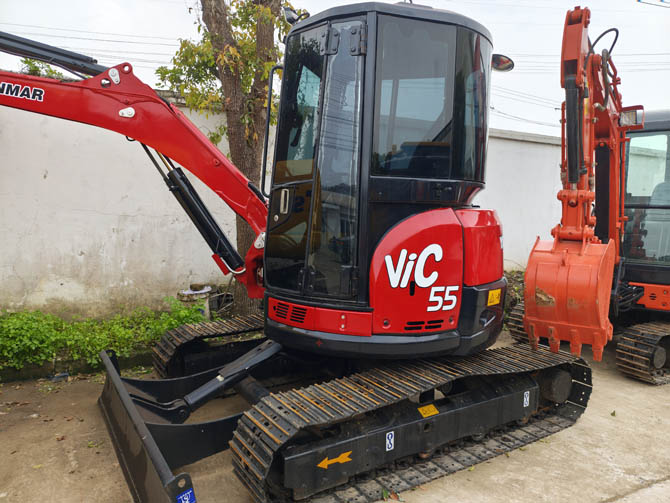
- Make:
- Model Name:
- Place of Origin:
- Yanmar
- VIO55-5
- Japan
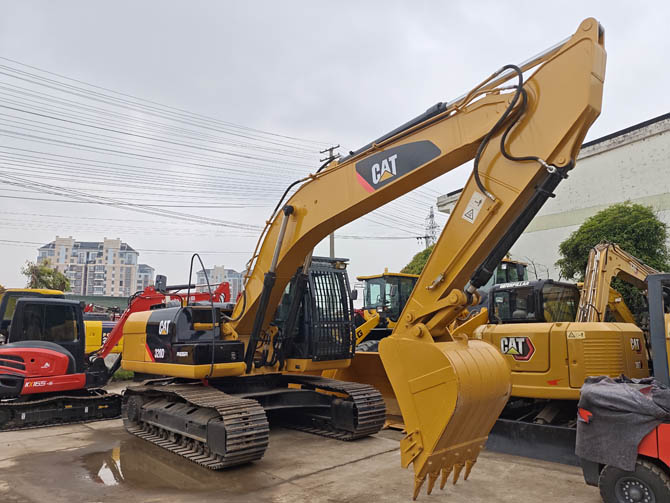
- Make:
- Model Name:
- Place of Origin:
- Caterpillar
- 320D
- Japan
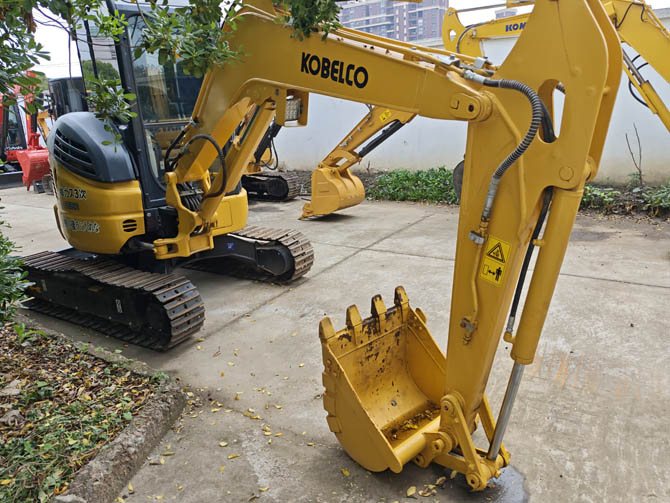
- Make:
- Model Name:
- Place of Origin:
- Kobelco
- SK35SR-6
- Japan
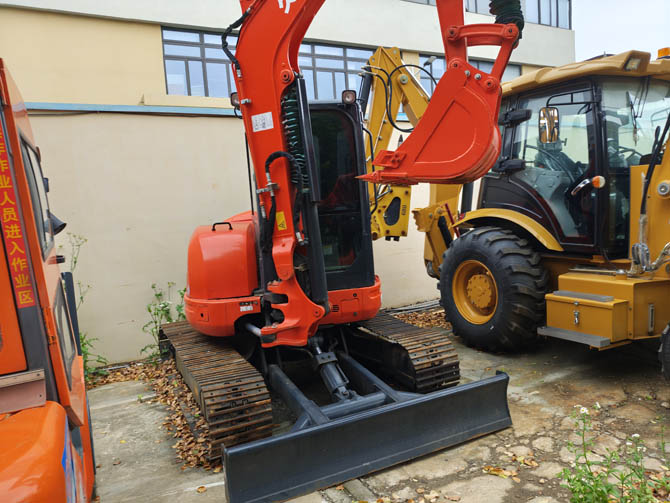
- Make:
- Model Name:
- Place of Origin:
- Kubota
- U50-4
- Japan
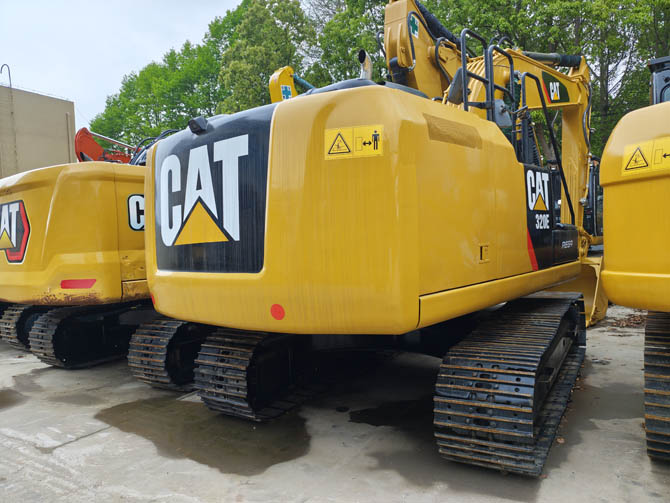
- Make:
- Model Name:
- Place of Origin:
- Caterpillar
- 320E
- Japan
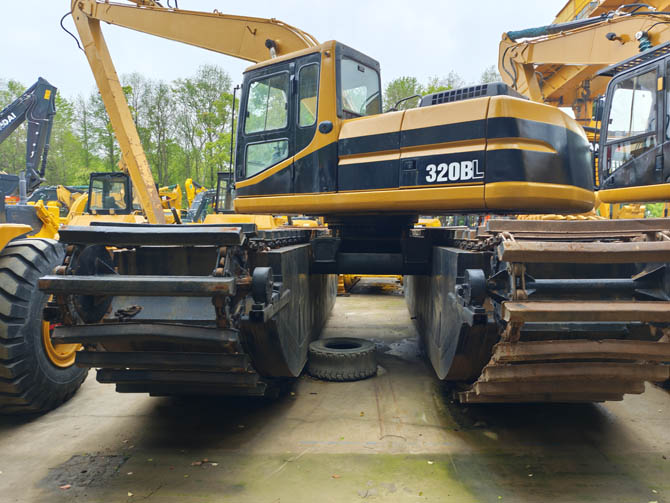
- Make:
- Model Name:
- Place of Origin:
- Caterpillar
- 320BL
- Japan
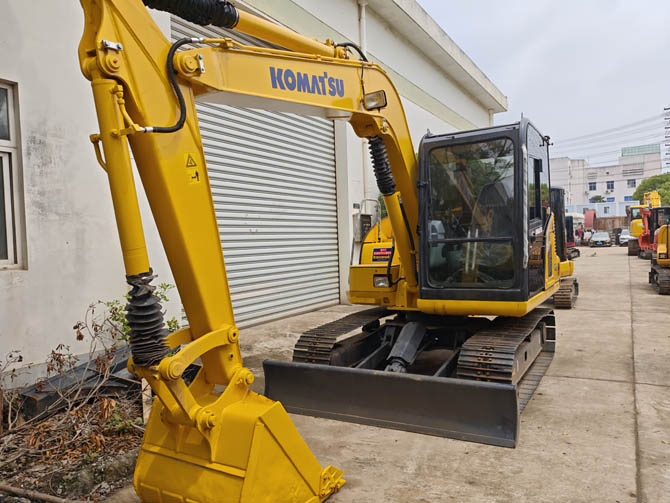
- Make:
- Model Name:
- Place of Origin:
- Komatsu
- PC70-8
- Japan
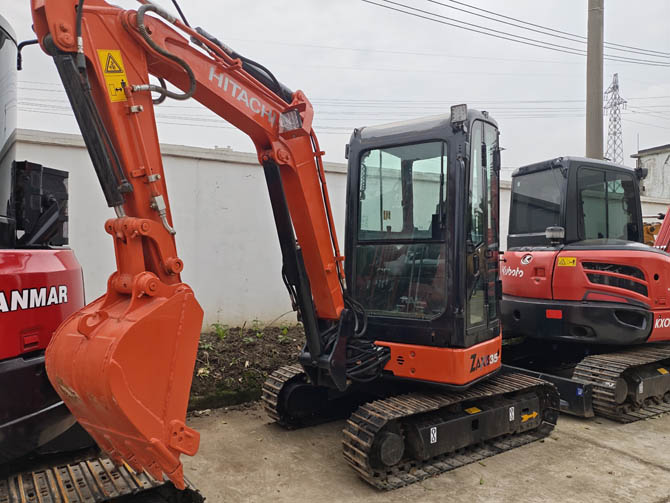
- Make:
- Model Name:
- Place of Origin:
- Hitachi
- Zaxis35
- Japan
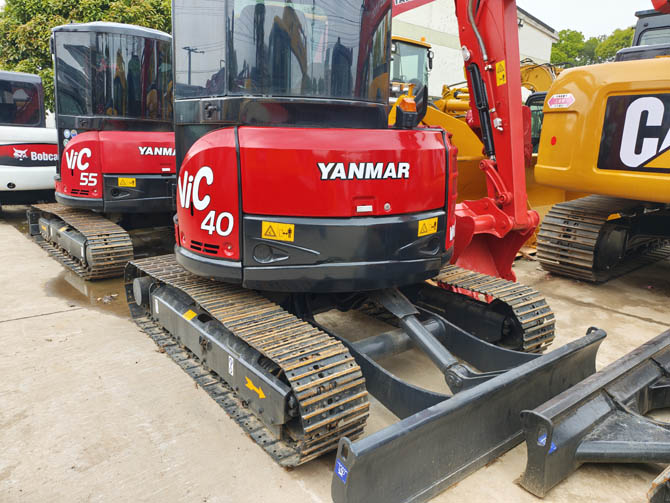
- Make:
- Model Name:
- Place of Origin:
- Yanmar
- VIO40
- Japan