Caterpillar 320D vs 320E: What is the Difference?
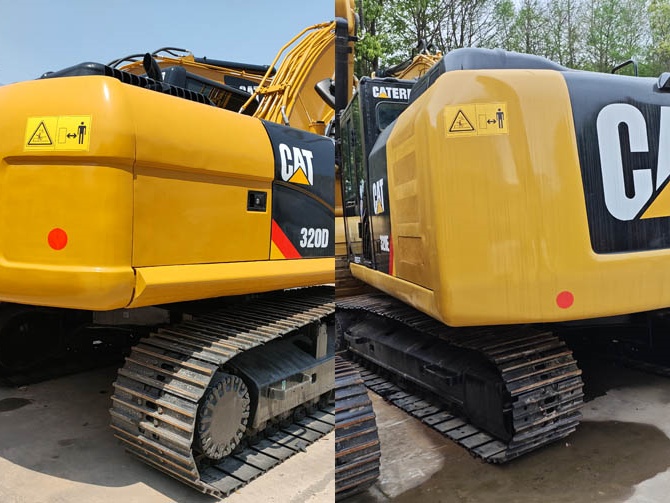
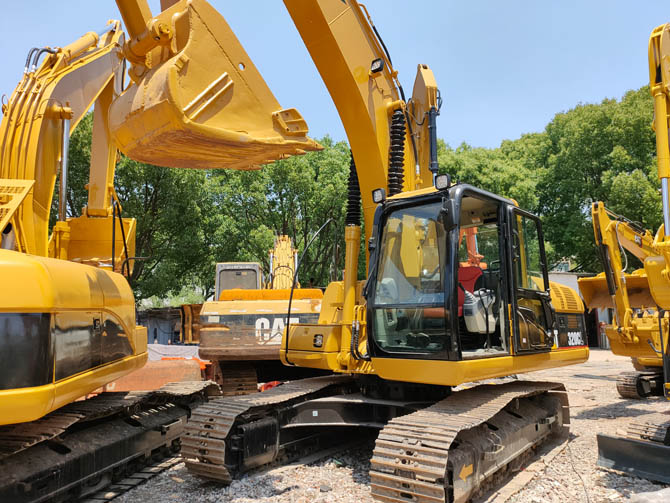
When comparing excavators in the 20-ton class, the keyword “Caterpillar 320D vs 320E” often comes up among contractors, fleet managers, and equipment traders. Both models are widely used and respected, but they represent different generations of engineering, efficiency, and technology. Understanding their differences can help you choose the right machine for your needs.
1. Engine and Emissions
One of the most significant differences between the Caterpillar 320D and 320E lies in their engines and emissions standards.
The 320D is powered by a Cat C6.4 engine, designed before stricter emissions regulations took effect. It is known for its reliability and relatively simple mechanical structure, making it easier to maintain in regions with less stringent environmental rules.
The 320E, on the other hand, features the Cat C6.6 engine and complies with newer emissions standards (such as Tier 4 Interim / Stage IIIA depending on configuration). This means improved fuel efficiency and reduced environmental impact, though it comes with more complex systems like electronic controls and after-treatment components.
2. Fuel Efficiency
Fuel consumption is a key factor in operating costs.
- The 320D offers solid performance but consumes more fuel compared to newer models.
- The 320E introduces advanced fuel management systems and optimized hydraulics, resulting in noticeably better fuel efficiency—often a major selling point for long-term operations.
3. Hydraulic System
Hydraulic performance affects productivity and precision.
The 320D uses a conventional hydraulic system that is robust and dependable. It performs well in general excavation tasks but lacks some of the refinements of newer systems.
The 320E features an improved hydraulic system with better flow control and responsiveness. This results in smoother operation, faster cycle times, and improved multi-function capability—especially useful in demanding job sites.
4. Operator Comfort and Technology
Cab design and onboard technology have evolved significantly.
- The 320D offers a functional cab with basic controls and limited digital integration.
- The 320E provides a more modern operator experience, including:
- Enhanced display panels
- Better ergonomics
- Reduced noise and vibration
- Optional advanced monitoring systems
These improvements help reduce operator fatigue and increase productivity over long working hours.
5. Maintenance and Serviceability
Maintenance is another important consideration.
The 320D is often favored in developing markets because of its simpler design. Fewer electronic components mean easier troubleshooting and lower repair costs.
The 320E, while more efficient, includes more advanced electronics and sensors. This can improve diagnostics but may require specialized tools and trained technicians for repairs.
6. Market Availability and Pricing
In the used equipment market:
- The 320D is generally more affordable and widely available.
- The 320E tends to command a higher price due to its newer technology and better efficiency.
Buyers often choose between lower upfront cost (320D) and long-term savings (320E).
Conclusion
In the debate of Caterpillar 320D vs 320E, the right choice depends on your priorities. If you value simplicity, lower initial cost, and ease of maintenance, the 320D is a solid option. If fuel efficiency, modern features, and environmental compliance are more important, the 320E is the better investment.
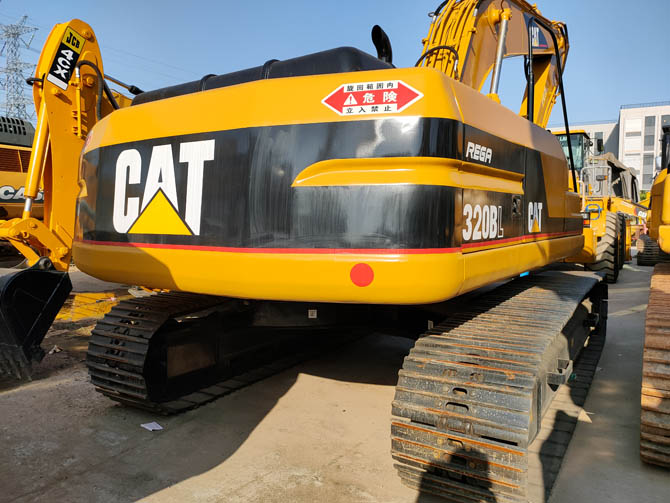
- Make:
- Model Name:
- Place of Origin:
- Caterpillar
- 320BL
- Japan
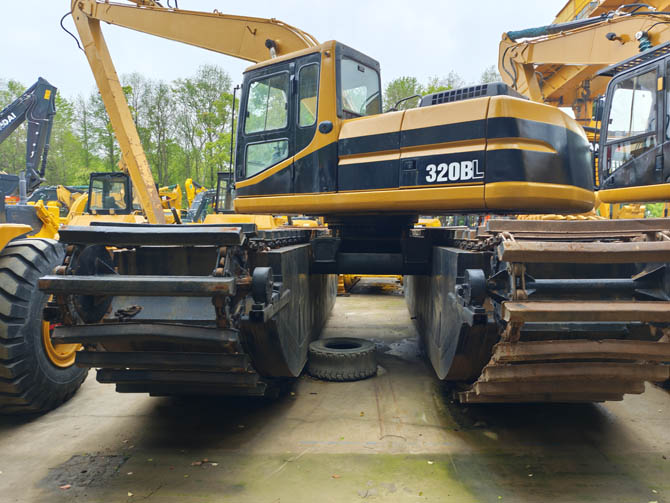
- Make:
- Model Name:
- Place of Origin:
- Caterpillar
- 320BL
- Japan
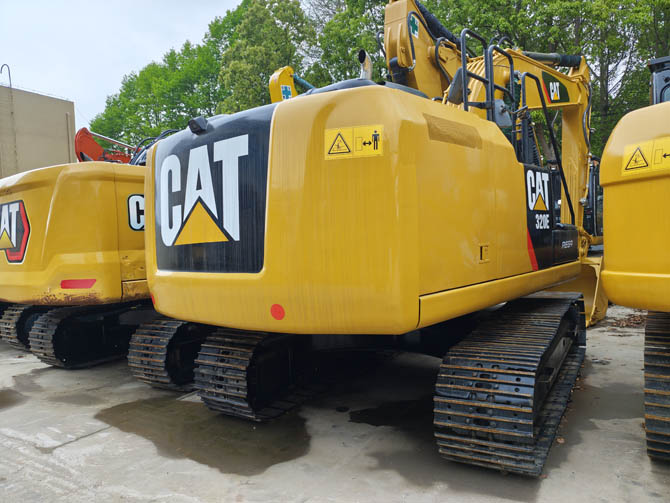
- Make:
- Model Name:
- Place of Origin:
- Caterpillar
- 320E
- Japan
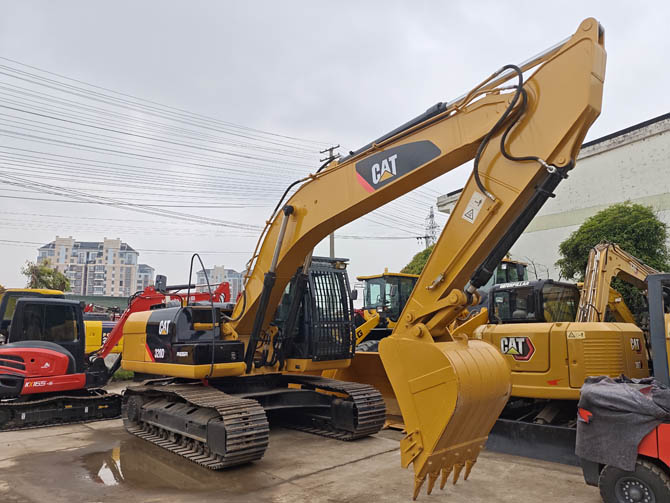
- Make:
- Model Name:
- Place of Origin:
- Caterpillar
- 320D
- Japan
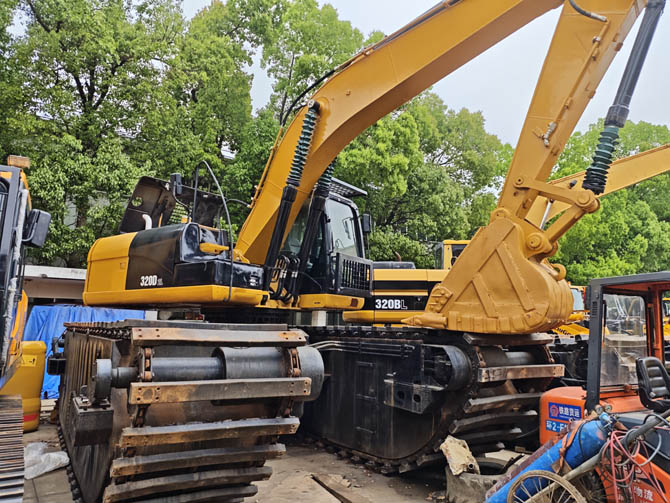
- Make:
- Model Name:
- Place of Origin:
- Caterpillar
- 320D
- Japan
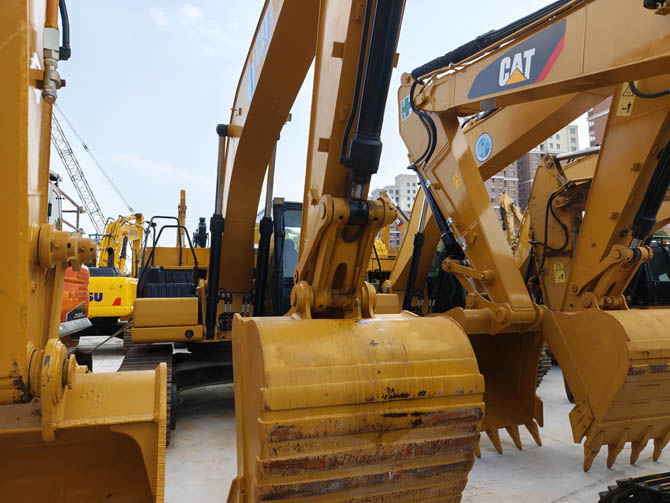
- Make:
- Model Name:
- Place of Origin:
- Caterpillar
- 320GC
- Japan
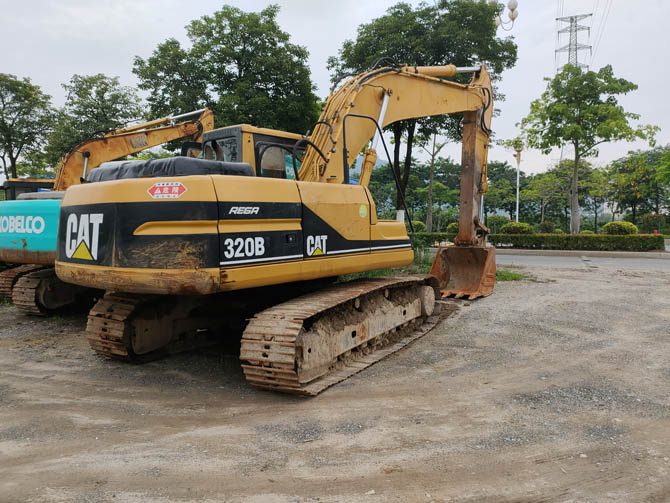
- Make:
- Model Name:
- Place of Origin:
- Caterpillar
- 320B
- Japan
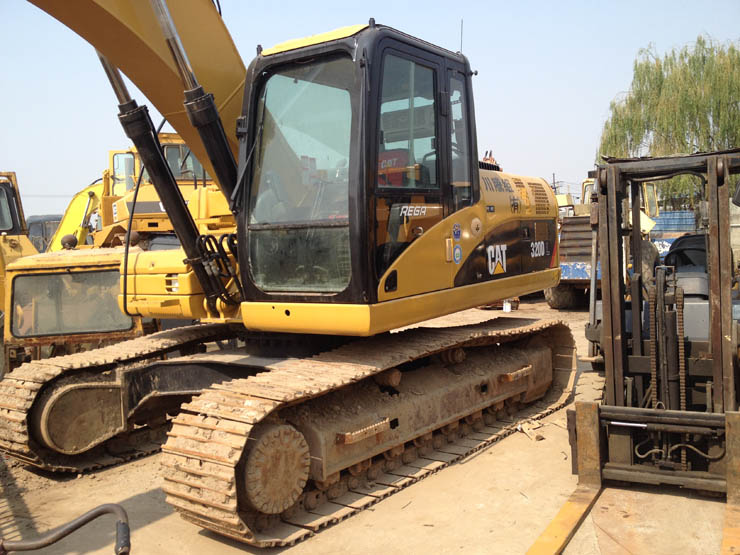
- Make:
- Model Name:
- Place of Origin:
- Caterpillar
- 320DL
- Japan
- Make:
- Model Name:
- Place of Origin:
- Caterpillar
- 320CL
- Japan