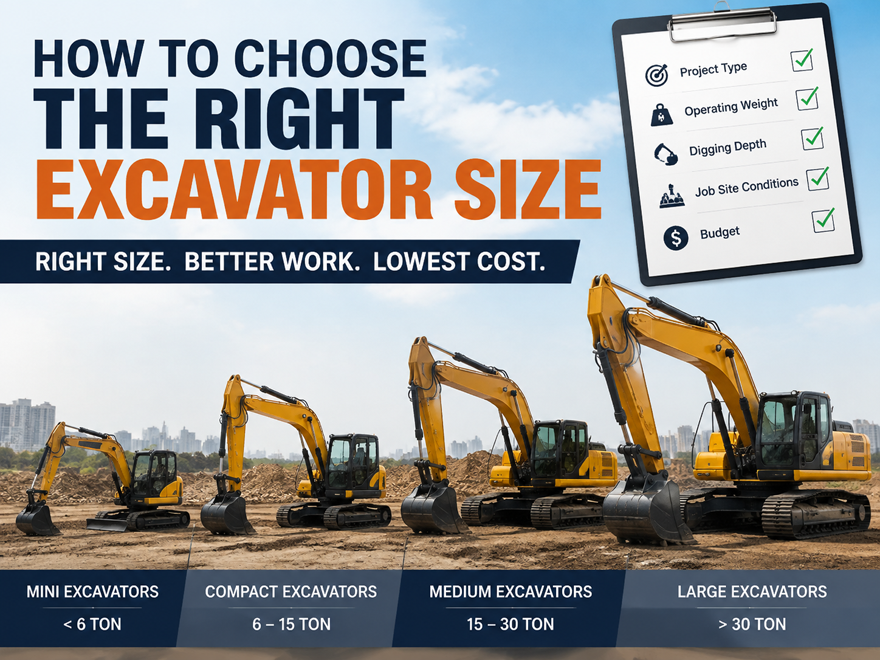
How to Choose the Right Excavator Size
Choosing the right excavator size is one of the most important decisions when buying construction equipment. The correct size can improve work efficiency, reduce fuel consumption, and lower operating costs. Many buyers choose excavators based only on price, but the machine size should match the type of project, working environment, and transportation requirements.
This guide explains How to Choose the Right Excavator Size and helps you select the best excavator for your job.
Understand Different Excavator Sizes
Excavators are usually divided into mini, small, medium, and large categories. Each size has different advantages and is designed for specific applications.
Mini Excavators (1–6 Tons)
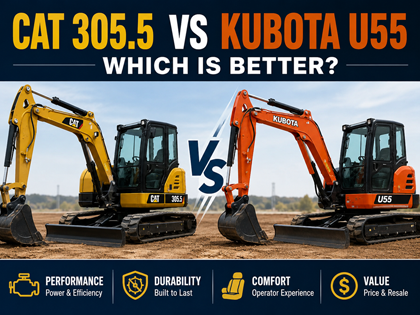
Mini excavators are ideal for small construction projects, landscaping, road maintenance, and work in narrow areas. They are easy to transport and have lower fuel consumption.
Common applications include:
- Garden and residential projects
- Small trench digging
- Underground pipe installation
- Indoor demolition work
Popular models include mini excavators from brands such as Caterpillar, Komatsu, Hitachi, and Kubota.
Small Excavators (6–12 Tons)
Small excavators provide more digging power while keeping good mobility. They are suitable for small farms, utility projects, and general construction work.
Advantages include:
- Lower operating costs
- Easy transportation
- Good performance in limited spaces
For customers who need a machine for daily construction tasks but do not require heavy digging force, a small excavator is a good choice.
Medium Excavators (13–25 Tons)
Medium excavators are the most popular size category worldwide. They offer a good balance between power, fuel efficiency, and transportation cost.
Typical applications include:
- Building construction
- Road projects
- Mining support work
- Large earthmoving projects
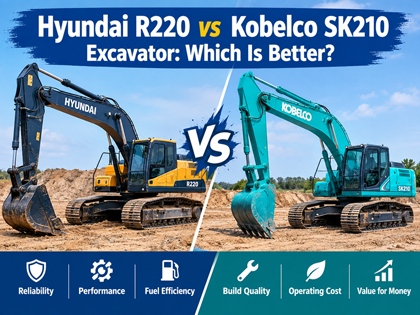
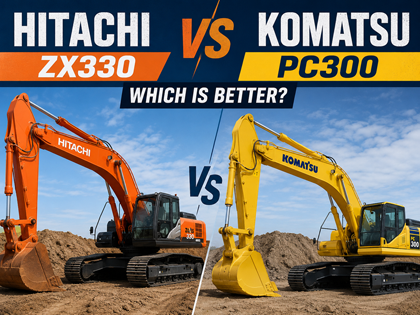
20-ton excavators such as the Caterpillar 320, Komatsu PC200, Hitachi ZX200, and Hyundai R220 are widely used because they can handle many different jobs.
For international buyers, medium excavators are also popular because some models can fit into shipping containers after removing parts such as the boom, arm, bucket, cabin, and tracks, which can reduce shipping costs.
Large Excavators (30 Tons and Above)
Large excavators are designed for heavy-duty applications that require maximum digging power and productivity.
They are commonly used in:
- Mining operations
- Quarry work
- Large infrastructure projects
- Heavy earthmoving
Models like Caterpillar 330, Caterpillar 336, Komatsu PC360, and Hitachi ZX350 are suitable for demanding working conditions.
However, large excavators require higher investment, more fuel, and higher transportation costs.
Consider Your Job Requirements
The best excavator size depends mainly on your project requirements.
Before buying, consider:
Digging Depth and Reach
If your project requires deep excavation, choose a machine with a longer boom and greater digging capacity. A small excavator may not provide enough reach for deep trenches or large foundations.
Material Type
Different materials require different levels of power. Soft soil can be handled by smaller excavators, while rocks, hard ground, and quarry materials require stronger machines with higher hydraulic power.
Working Space
The job site size is another important factor. Compact excavators are better for narrow areas, while larger excavators need more space for operation.
Attachment Requirements
If you plan to use attachments such as breakers, grapples, or augers, choose an excavator with enough hydraulic flow and lifting capacity.
Match Excavator Size with Transportation
Transportation costs should also be considered when choosing an excavator size.
Small excavators are easy to transport by trucks. Medium excavators may require partial disassembly for container shipping. Large excavators usually need flat rack containers or bulk shipping because of their size and weight.
For used excavator buyers importing from China, choosing a suitable size can significantly reduce international shipping expenses.
New vs Used Excavator Size Selection
When buying a used excavator, machine condition is just as important as size.
A well-maintained 20-ton used excavator can often perform better than a poorly maintained larger machine. Buyers should check:
- Engine condition
- Hydraulic system performance
- Undercarriage wear
- Working hours
- Maintenance history
Choosing a reliable used excavator brand and the correct size can provide better long-term value.
Common Mistakes When Choosing Excavator Size
Many buyers make mistakes when selecting excavators:
- Choosing a machine that is too small to save money
- Buying an oversized excavator for simple jobs
- Ignoring transportation costs
- Focusing only on purchase price
The cheapest machine is not always the most economical choice. The right excavator should provide the best balance between productivity, fuel consumption, maintenance cost, and resale value.
Conclusion
Knowing How to Choose the Right Excavator Size helps buyers avoid unnecessary costs and improve job efficiency. The ideal excavator depends on your project type, working conditions, transportation method, and budget.
For most general construction projects, medium excavators around 20 tons are a popular choice because they offer excellent versatility and cost performance. However, selecting the correct size based on your actual needs is the key to maximizing your investment.
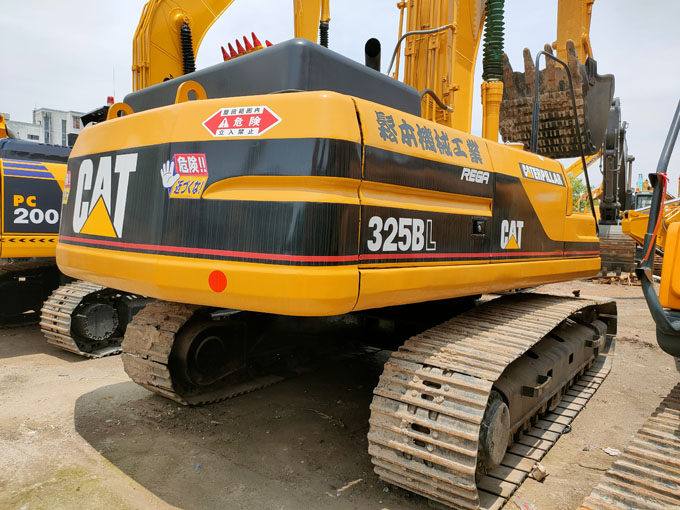
- Make:
- Model Name:
- Place of Origin:
- Caterpillar
- 325BL
- Japan
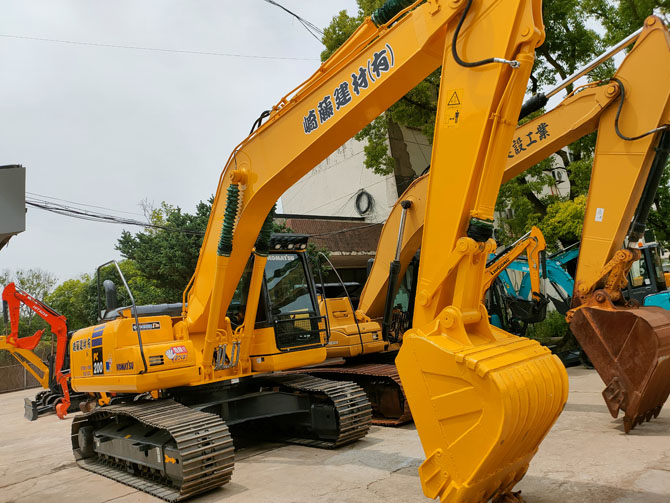
- Make:
- Model Name:
- Place of Origin:
- Komatsu
- PC200-8N1
- Japan
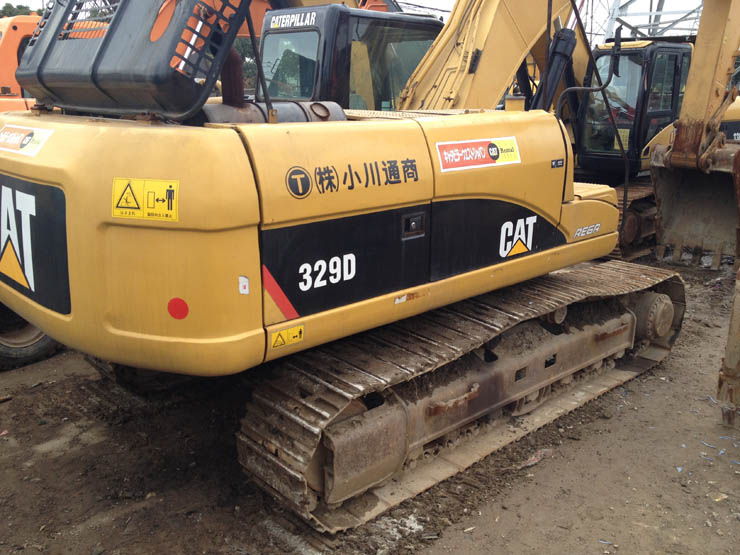
- Make:
- Model Name:
- Place of Origin:
- Caterpillar
- 329D
- Japan
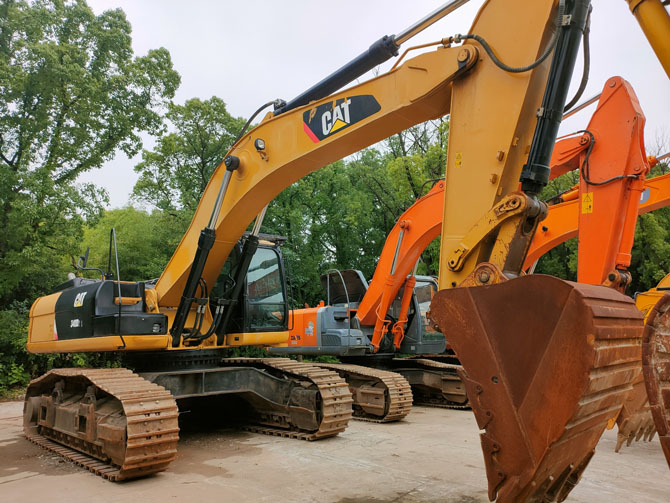
- Make:
- Model Name:
- Place of Origin:
- Caterpillar
- 340D2L
- Japan
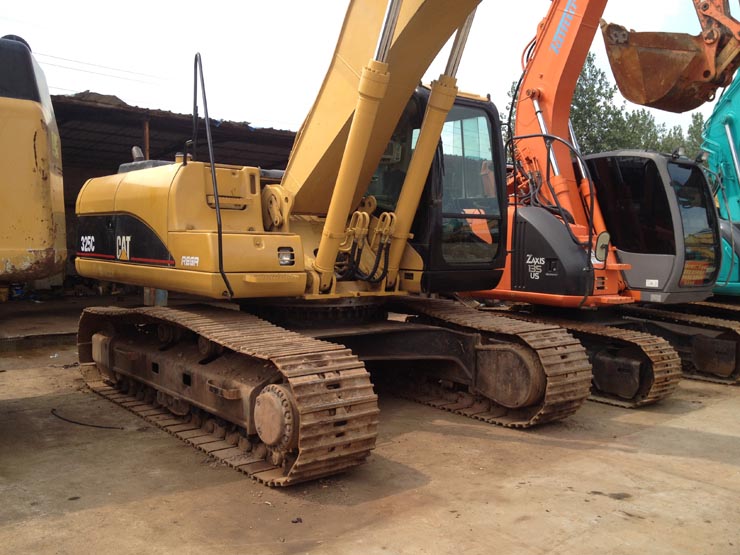
- Make:
- Model Name:
- Place of Origin:
- Caterpillar
- 325C
- Japan
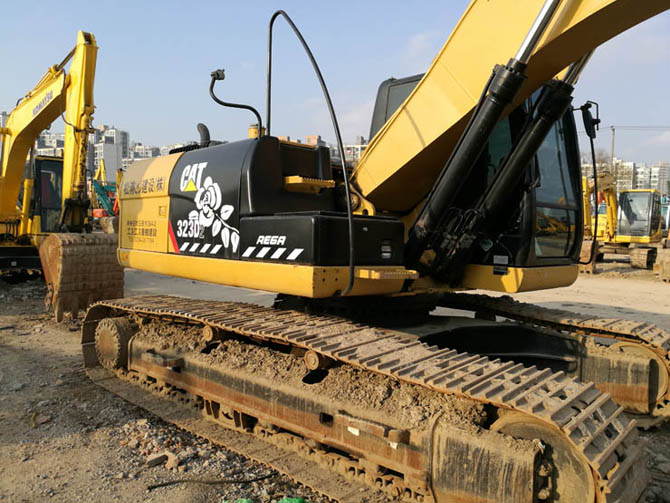
- Make:
- Model Name:
- Place of Origin:
- Caterpillar
- 323D2
- Japan
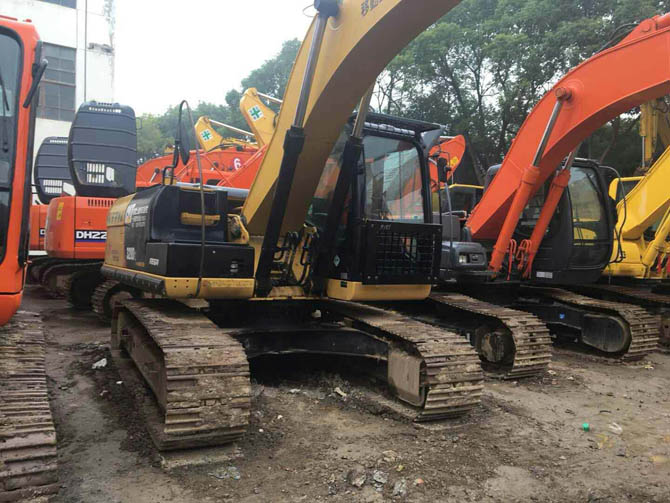
- Make:
- Model Name:
- Place of Origin:
- Caterpillar
- 320D2
- Japan
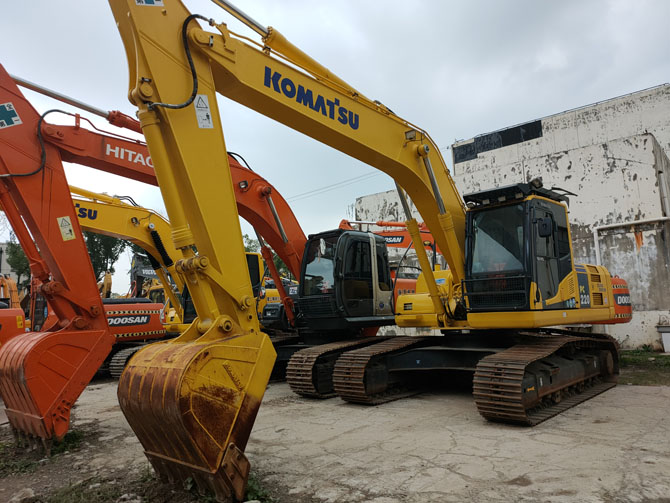
- Make:
- Model Name:
- Place of Origin:
- Komatsu
- PC220-8
- Japan
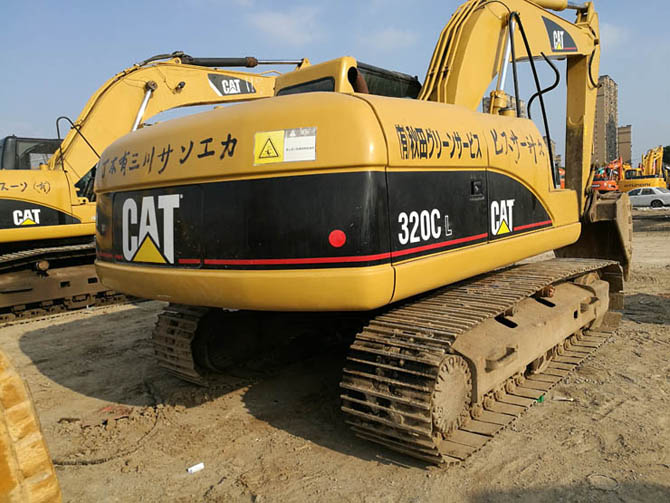
- Make:
- Model Name:
- Place of Origin:
- Caterpillar
- 320CL
- Japan