PC200-7 vs PC200-8: What Is the Difference
When choosing a mid-size hydraulic excavator, two of the most commonly compared machines are the Komatsu PC200-7 and the Komatsu PC200-8. Both are 20-ton class excavators manufactured by Komatsu and widely used in construction, mining, demolition, and infrastructure projects.
Although they look similar at first glance, the PC200-8 is a newer generation with significant improvements in efficiency, technology, comfort, and emissions.
1. Engine & Emissions
PC200-7
Earlier-generation engine technology
Meets older emission standards
Simpler mechanical systems
Easier to maintain in regions with limited service support
PC200-8
Newer engine with improved fuel combustion
Designed to meet stricter emission regulations
Lower exhaust output
More environmentally friendly
In many markets, the PC200-8 complies with Tier 3 / Stage IIIA standards, while the PC200-7 predates these requirements.
2. Fuel Efficiency
Fuel cost is one of the biggest operating expenses.
PC200-7: Good efficiency for its era, but less optimized
PC200-8: Significantly improved fuel economy due to advanced engine control and hydraulic optimization
Komatsu introduced an intelligent hydraulic system in the PC200-8 that reduces wasted energy, especially during light or repetitive operations.
Result: Lower operating cost per hour
3. Hydraulic System Performance
Both machines are powerful, but the PC200-8 delivers smoother and more precise control.
PC200-7
Strong breakout force
Reliable traditional hydraulics
Slightly less refined operation
PC200-8
Faster cycle times
Better multi-function operation
Improved fine control for grading and finishing work
Operators often notice reduced fatigue during long working hours.
4. Operator Comfort & Cab Design
Comfort directly affects productivity.
PC200-7 Cab
Basic layout
Analog gauges
Adequate noise insulation
PC200-8 Cab
Larger, redesigned cab
LCD monitor with machine data
Better air conditioning
Reduced vibration and noise
More ergonomic controls
For long shifts, the PC200-8 offers a noticeably better working environment.
5. Electronics & Monitoring
Technology is one of the biggest generational differences.
PC200-7
Minimal onboard electronics
Basic warning indicators
Limited diagnostic capability
PC200-8
Advanced monitoring system
Real-time fuel consumption display
Maintenance reminders
Fault diagnostics
These features help owners reduce downtime and plan service more efficiently.
6. Maintenance & Serviceability
Both machines are known for durability, but their maintenance approach differs.
PC200-7: Simpler systems, easier field repairs
PC200-8: Improved service access, longer service intervals, but more electronic components
In remote areas, some contractors still prefer the PC200-7 for its mechanical simplicity.
7. Market Value & Availability
PC200-7: Usually cheaper on the used market
PC200-8: Higher resale value due to modern features and efficiency
Buyers focused on low upfront cost may choose the PC200-7, while those prioritizing long-term savings often prefer the PC200-8.
Conclusion
The PC200-7 and PC200-8 are both dependable 20-ton excavators, but they serve slightly different priorities.
Choose PC200-7 if you want simplicity, lower purchase price, and easier repairs
Choose PC200-8 if you want better fuel efficiency, operator comfort, advanced technology, and compliance with newer standards
For most modern construction projects, the PC200-8 represents a clear evolution in performance and operating efficiency.
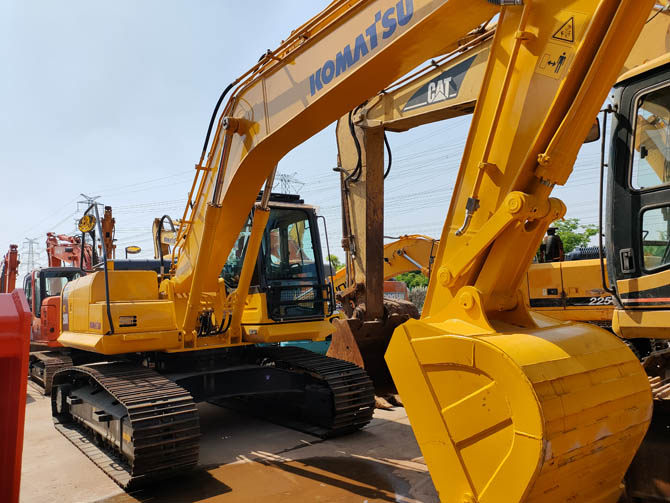
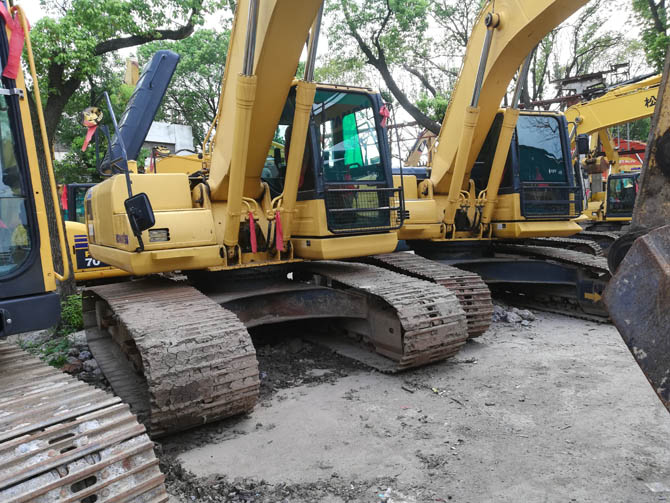
- Make:
- Model Name:
- Place of Origin:
- Komatsu
- PC200-8N1
- Japan
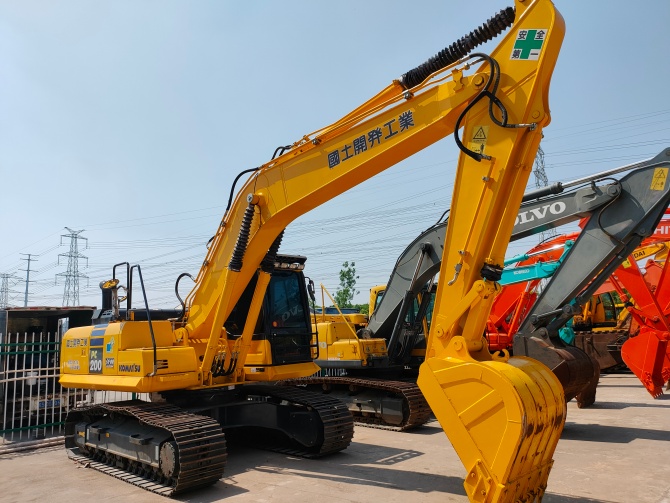
- Make:
- Model Name:
- Place of Origin:
- Komatsu
- PC200-8
- Japan
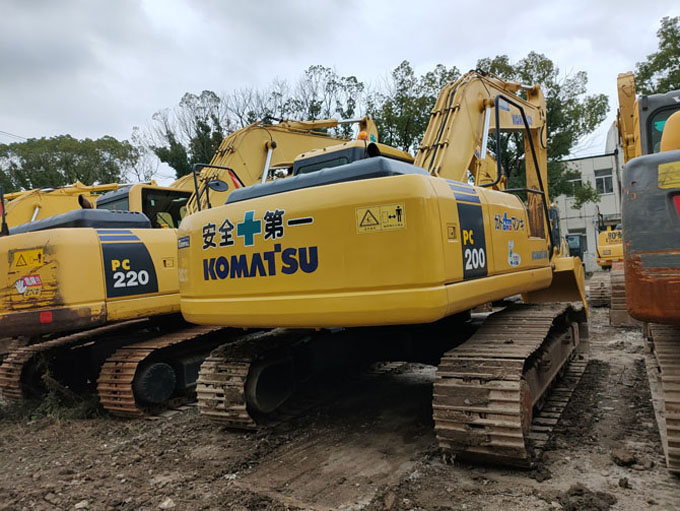
- Make:
- Model Name:
- Place of Origin:
- Komatsu
- PC200-8N1
- Japan

- Make:
- Model Name:
- Place of Origin:
- Komatsu
- PC200-7
- Japan
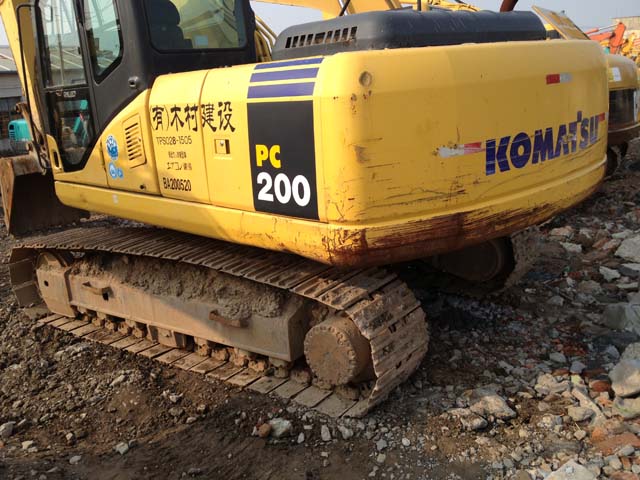
- Make:
- Model Name:
- Place of Origin:
- Komatsu
- PC200-8
- Japan
- Make:
- Model Name:
- Place of Origin:
- Komatsu
- PC200-7
- Japan
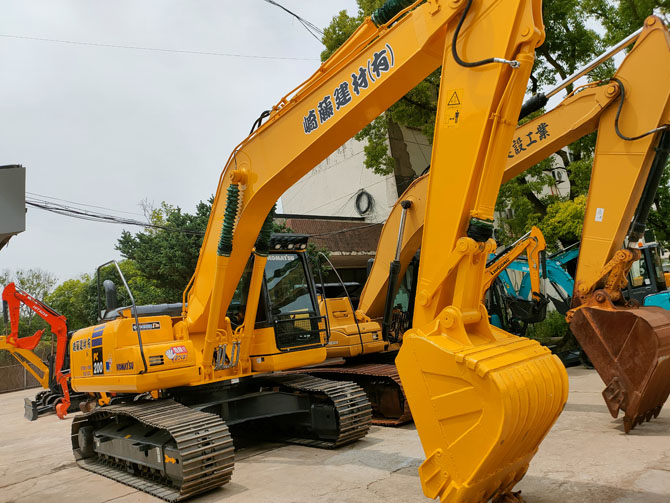
- Make:
- Model Name:
- Place of Origin:
- Komatsu
- PC200-8N1
- Japan
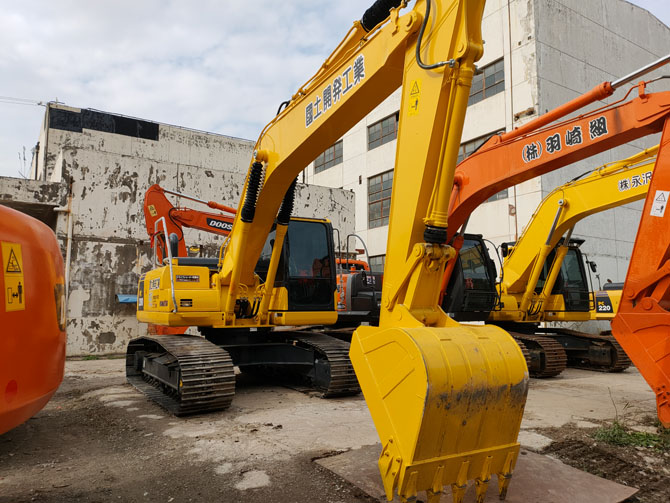
- Make:
- Model Name:
- Place of Origin:
- Komatsu
- PC200-8
- Japan