Cat 320 vs Komatsu PC220 Excavator: Which Is Better?
When discussing the Cat 320 vs Komatsu PC220 excavator, it is important to clarify a key fact: these two machines are not in the same weight class. The Cat 320 belongs to the 20-ton class, while the Komatsu PC220 is typically considered a 24 ton excavator.
This means the comparison is not purely equal—it is more of a cross-class comparison, which actually makes it more practical for buyers choosing between flexibility and power.
Understanding the Class Difference
Before diving deeper into the Cat 320 vs Komatsu PC220 excavator comparison, here is a quick breakdown:
- Cat 320: ~20tons
- Komatsu PC220: ~24 tons
In reality:
- Cat 320 competes more directly with Komatsu PC200 / PC210
- Komatsu PC220 is closer to Cat 323 in size and capability
This difference affects performance, fuel consumption, transport, and job suitability.
Performance Comparison
When comparing Cat 320 vs Komatsu PC220 excavator, the size difference directly impacts performance.
- Digging Force:
Komatsu PC220 has stronger digging force due to its heavier weight and larger components. It performs better in hard soil, rock, and heavy-duty applications. - Stability:
The PC220 offers better stability, especially when lifting or working on uneven terrain. - Speed & Precision:
Cat 320 provides smoother and faster hydraulic response, making it ideal for precision work and shorter cycle times.
Fuel Efficiency and Operating Cost
A major consideration in the Cat 320 vs Komatsu PC220 excavator decision is cost.
- Cat 320:
- Lower fuel consumption
- Optimized hydraulic system
- Better for long-term cost savings
- Komatsu PC220:
- Higher fuel usage due to larger size
- Better suited for high-output, heavy workloads
If your projects are lighter or require long working hours, the Cat 320 is usually more economical.
Application Scenarios
Choosing between Cat 320 vs Komatsu PC220 excavator depends heavily on your job type.
Cat 320 is ideal for:
- Urban construction
- Roadwork
- Pipeline and utility jobs
- Medium-duty earthmoving
Komatsu PC220 is ideal for:
- Quarry and mining work
- Heavy excavation
- Large-scale earthmoving
- Tough ground conditions
Transport and Mobility
- Cat 320 (20-ton class):
Easier to transport, fewer legal restrictions, lower hauling cost - Komatsu PC220 (24-ton class):
Heavier and may require more complex transport arrangements
Mobility can be a deciding factor for contractors who frequently move equipment.
Maintenance and Reliability
- Komatsu PC220:
Known for simple structure and durability
Easier to maintain in remote areas - Cat 320:
Advanced technology improves efficiency
May require more skilled service support
Technology and Operator Comfort
- Cat 320:
- Advanced onboard technology (grade control, payload)
- Modern touchscreen interface
- More comfortable cab
- Komatsu PC220:
- Focus on reliability and simplicity
- Newer versions include smart features, but generally less advanced
Which Is Better?
In the Cat 320 vs Komatsu PC220 excavator comparison, the answer depends on your priorities:
- Choose Cat 320 if you need:
- Fuel efficiency
- Flexibility and mobility
- Advanced technology
- Lower operating cost
- Choose Komatsu PC220 if you need:
- More power and stability
- Heavy-duty performance
- Durability in harsh conditions
Final Verdict
The Cat 320 vs Komatsu PC220 excavator comparison is not about which machine is universally better—it is about choosing the right size for your job.
If you need a versatile and cost-efficient 20-ton machine, Cat 320 is the better option.
If your work demands more power and heavier capacity, the Komatsu PC220 is the stronger choice.
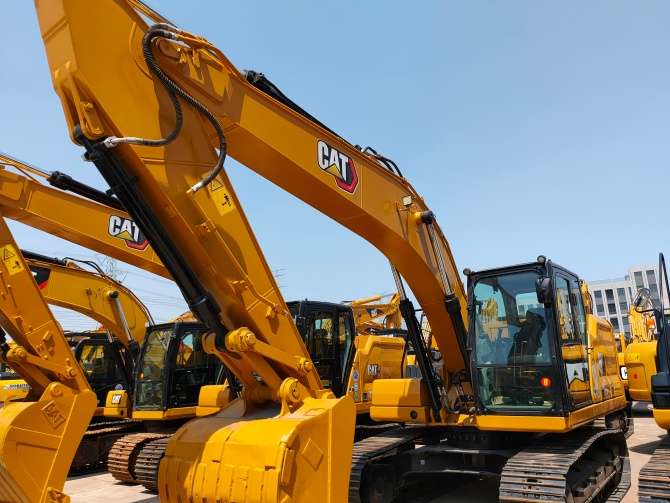
- Make:
- Model Name:
- Place of Origin:
- Caterpillar
- 320GC
- Japan
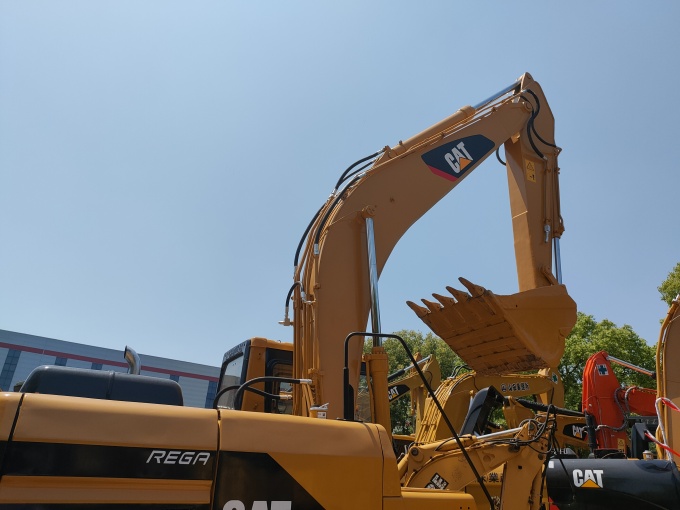
- Make:
- Model Name:
- Place of Origin:
- Caterpillar
- 320GC
- Japan
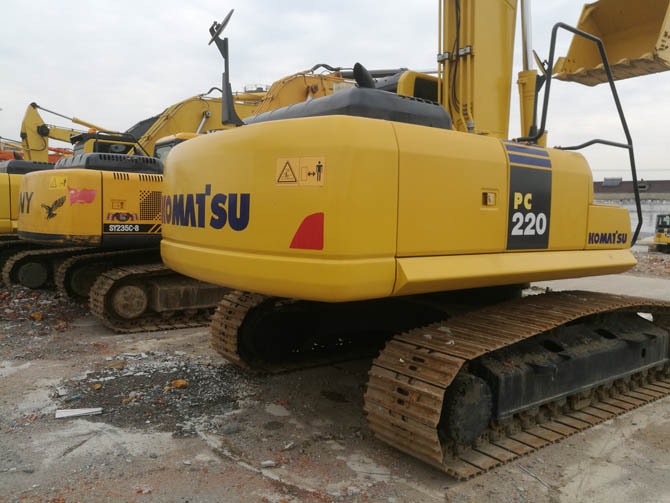
- Make:
- Model Name:
- Place of Origin:
- Caterpillar
- 320BL
- Japan
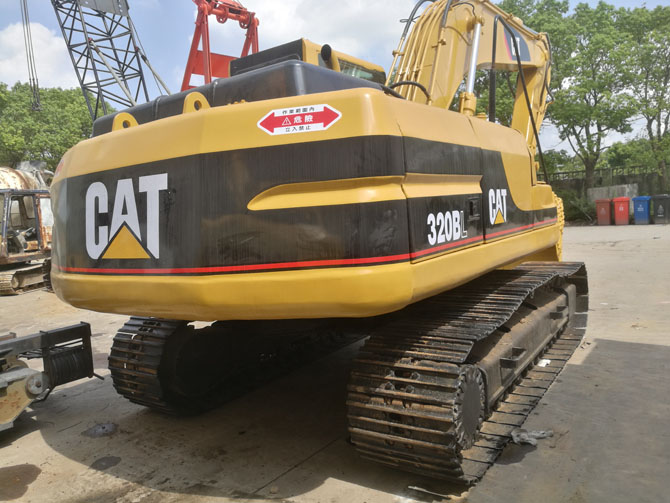
- Make:
- Model Name:
- Place of Origin:
- Komatsu
- PC220-8
- Japan
- Make:
- Model Name:
- Place of Origin:
- Caterpillar
- 320BL
- Japan
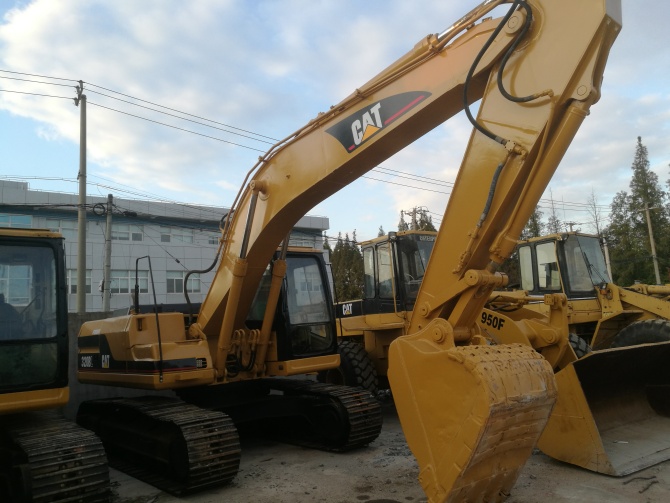
- Make:
- Model Name:
- Place of Origin:
- Caterpillar
- 320B
- Japan
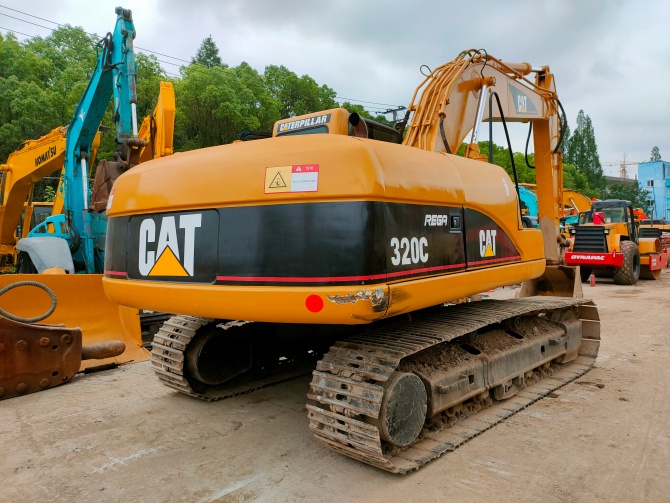
- Make:
- Model Name:
- Place of Origin:
- Caterpillar
- 320C
- Japan
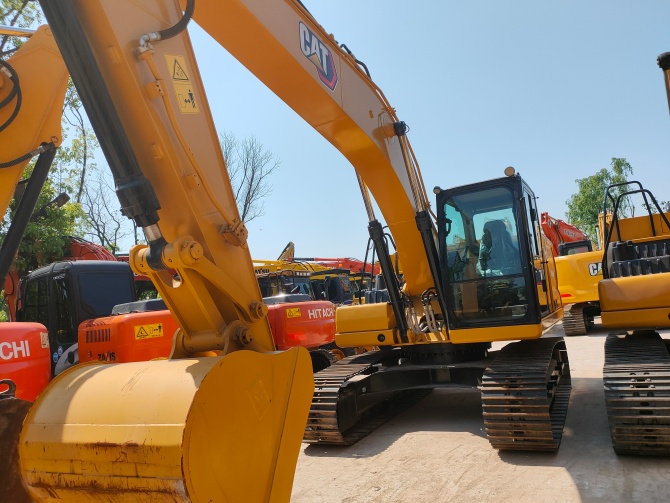
- Make:
- Model Name:
- Place of Origin:
- Caterpillar
- 320GC
- Japan
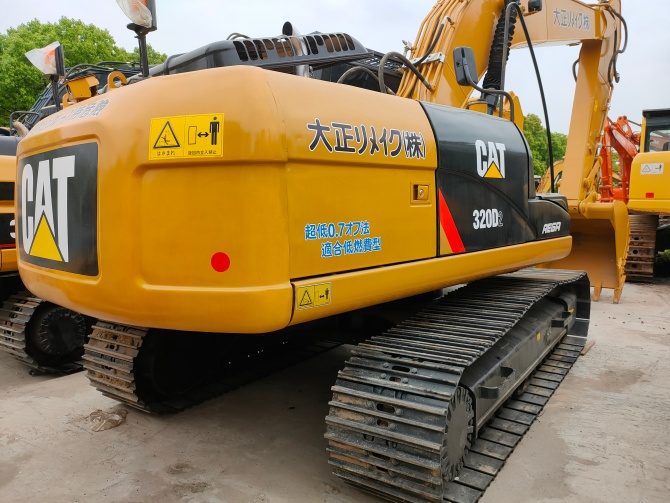
- Make:
- Model Name:
- Place of Origin:
- Caterpillar
- 320D2
- Japan